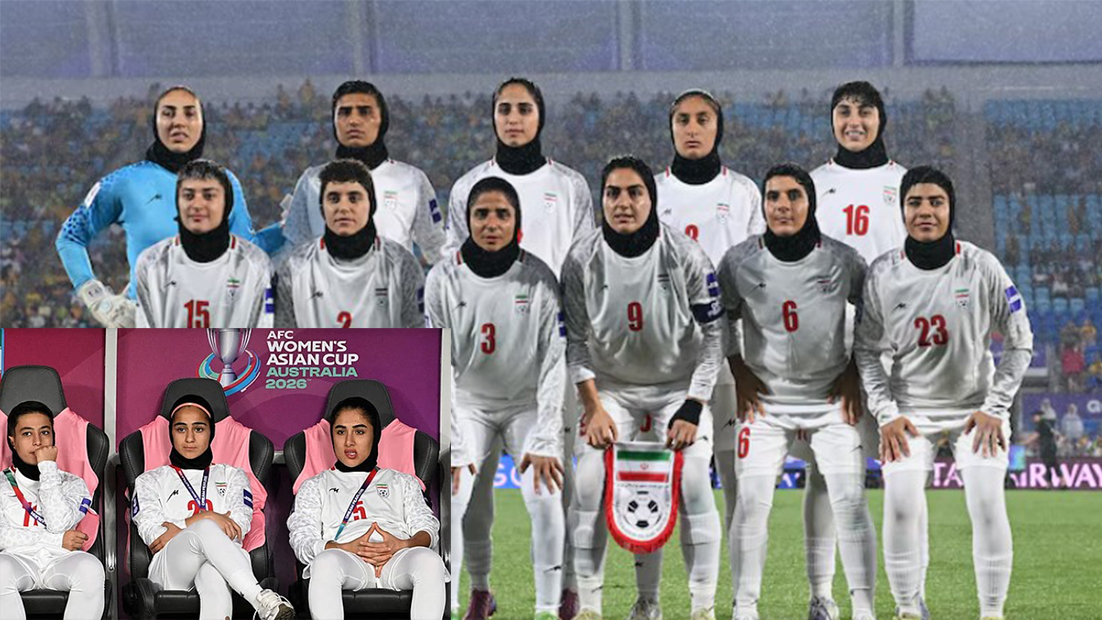
Iran Women’s Football Team Faces Uncertain Future After Asian Cup Anthem Protest
Melbourne, 7 March: The Iranian women’s national football team competing in the AFC Women’s Asian Cup 2026 in Australia has found itself at the centre…




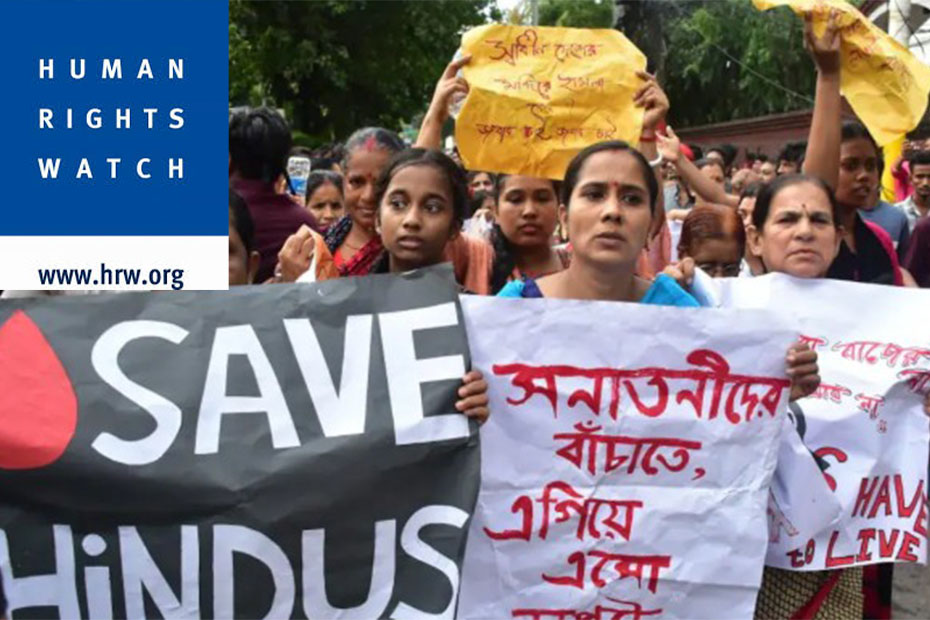
Melbourne, January 15: Bangladeshi women, girls and religious minorities are facing a sharp increase in violence as the country prepares for its first national election since the August 2024 Monsoon Revolution, according to a new report by Human Rights Watch.
Bangladesh is set to hold general elections on February 12, but the period leading up to the vote has been marked by worsening insecurity, especially for women and vulnerable communities. The rights group says the interim government has failed to ensure basic protection and equal participation for all citizens.
Police data shows that gender-based violence increased between January and June 2025 compared to the same period in 2024. Dr Fauzia Moslem, president of the Bangladesh Mahila Parishad, said the surge is linked to the growing influence of religious groups seeking to restrict women’s freedom of movement and participation in public life.
In May 2025, hardline religious groups staged protests against government initiatives aimed at improving gender equality and women’s rights. They demanded the end of activities they described as “anti-Islamic.” Since then, women and girls have been subjected to verbal, physical and digital abuse, creating a climate of fear that discourages them from speaking out.
Religious minorities, particularly Hindus, have also been targeted. In December, 27-year-old garment worker Dipu Chandra Das was beaten to death by a mob over an alleged charge of blasphemy. Rights groups have documented at least 51 incidents of violence against Hindus, including 10 killings. Ethnic minorities in the Chittagong Hill Tracts continue to face abuse by security forces following the revolution.
Despite Bangladesh’s history of having two women prime ministers and the strong role women played in the 2024 student-led protests, political participation for women remains severely limited. Of the 51 political parties contesting the upcoming election, 30 have no female candidates at all. Jamaat-e-Islami, one of the country’s major political parties, has not nominated a single woman among its 276 candidates.
Human Rights Watch has urged the Bangladeshi government to implement the recommendations of the Women’s Affairs Reform Commission, including increasing women’s representation in parliament. It also called on the authorities to follow the United Nations’ Women, Peace and Security agenda and to comply with international treaties such as the Convention on the Elimination of All Forms of Discrimination against Women (CEDAW) and the International Covenant on Civil and Political Rights (ICCPR).
The organisation also stressed the need for the government to uphold constitutional protections for religious and ethnic minorities.
“These are not new demands,” the report said. “They are the same principles Bangladeshis reaffirmed before and after the Monsoon Revolution. The interim government and all political parties must now commit to gender equality and the protection of minority rights.”
Source: Human Rights Watch




Melbourne, 7 March: The Iranian women’s national football team competing in the AFC Women’s Asian Cup 2026 in Australia has found itself at the centre…
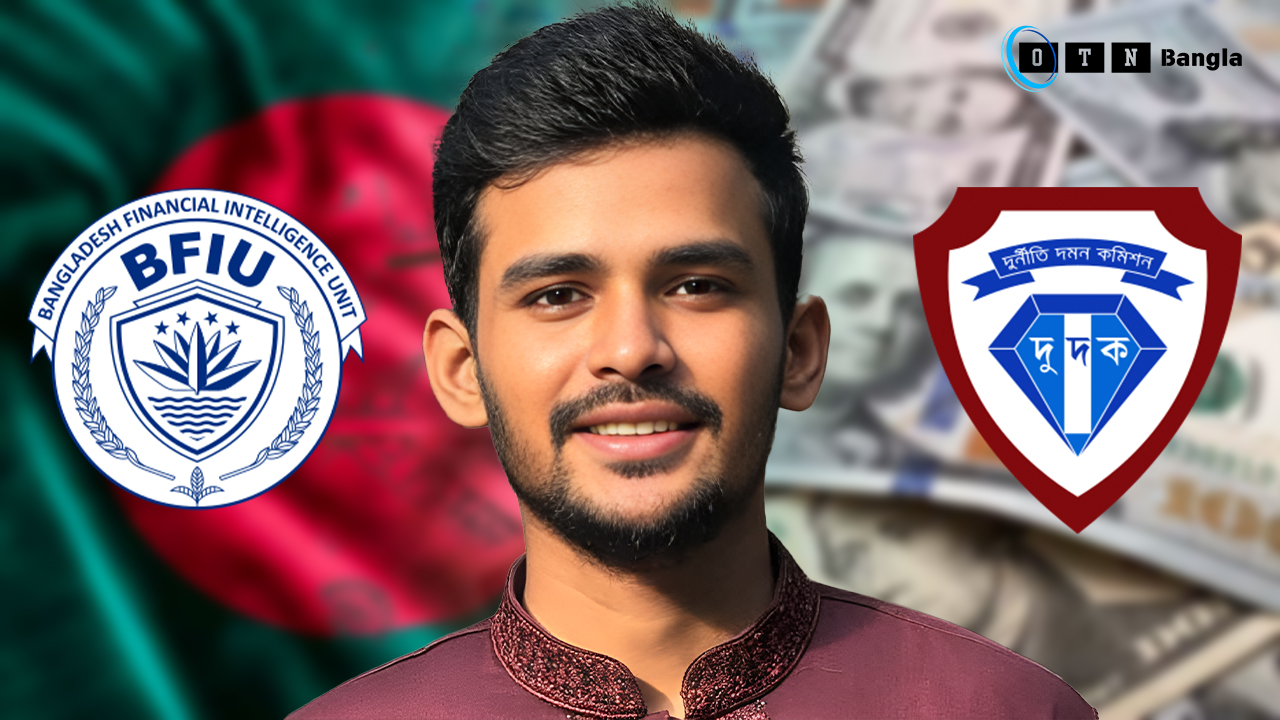
Melbourne, 7 March: Former advisers of Bangladesh’s interim government are increasingly coming under public scrutiny as one corruption allegation after another begins to surface. Those…
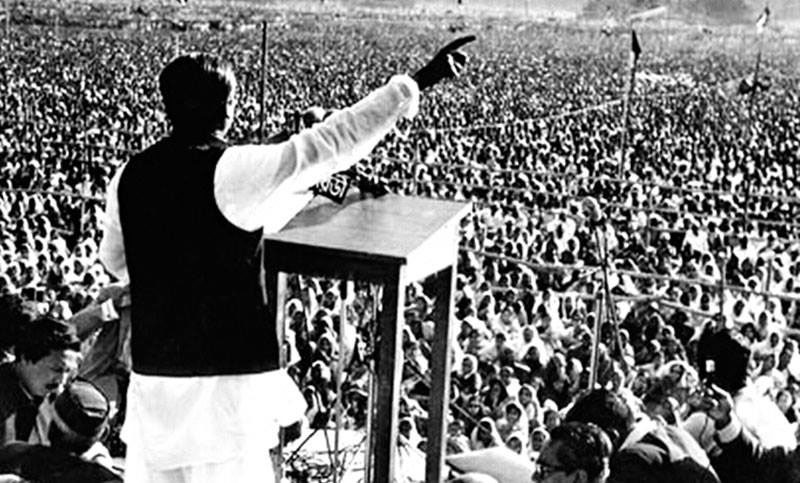
Melbourne, 7 March: Today marks Historic 7 March, a unique, unforgettable, and glorious chapter in the long struggle for freedom and independence of the Bengali…

Melbourne, March 7: The ongoing conflict between the United States and Iran has entered a new and potentially dangerous phase, with US stealth bombers reportedly…
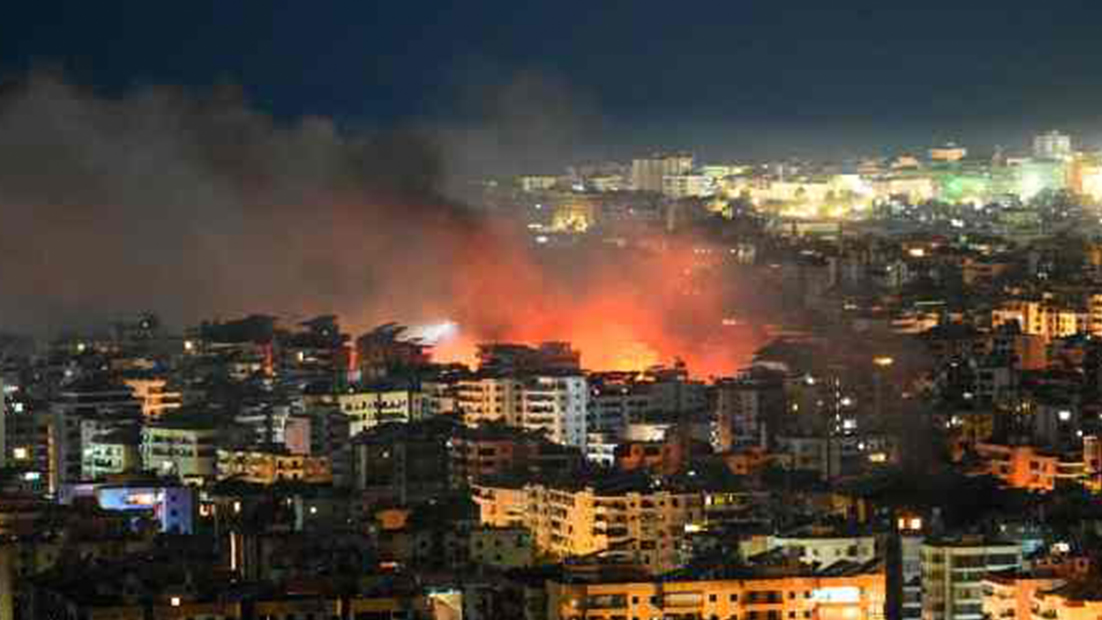
Melbourne, 6 March: The death toll in Iran continues to rise as the United States and Israel intensify their strikes, with residents in the capital…
Melbourne, 6 March: A series of corruption and misconduct allegations have begun to surface against several former advisers of Bangladesh’s interim government, as well as…




All Rights Reserved by © OTN Bangla.com.au - 2026 | Privacy Policy | Terms of Use | Editorial Policy | Proudly Developed by @SSB it.au