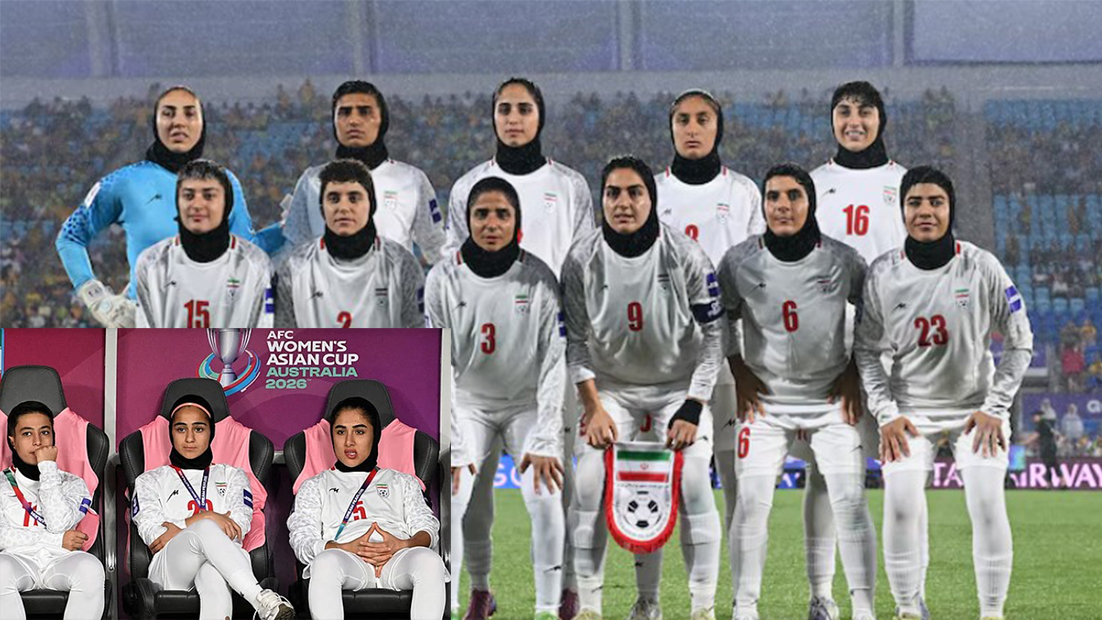
Iran Women’s Football Team Faces Uncertain Future After Asian Cup Anthem Protest
Melbourne, 7 March: The Iranian women’s national football team competing in the AFC Women’s Asian Cup 2026 in Australia has found itself at the centre…

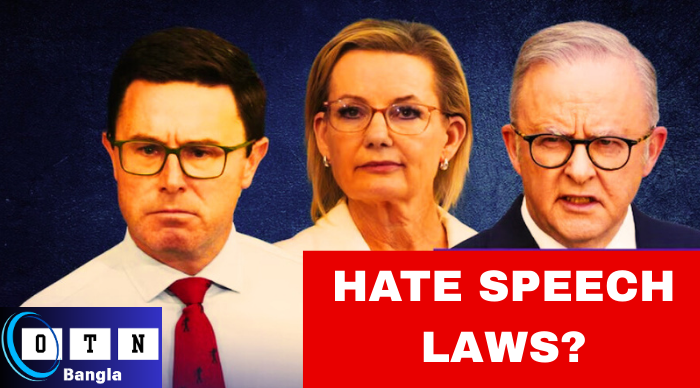
Melbourne, January 16: Under the proposed law, it would become illegal to publicly promote or incite racial hatred where the conduct would cause a reasonable person to feel intimidated, harassed, or fearful of violence. Crucially, prosecutors would not need to prove that hatred was actually generated or that anyone experienced fear—only that the behaviour would reasonably be perceived as threatening.
The offence would apply broadly to public speech, symbols, gestures and online communications targeting individuals or groups because of their race, colour, national origin or ethnic background.
Maximum penalties of up to five years’ imprisonment would apply, with tougher sentences available for aggravated offences. These could include cases involving religious officials or preachers. The legislation would also introduce a new aggravated offence for attempts to radicalise children.
A narrow defence has been included for quoting religious texts, but only where the material is used solely for genuine religious teaching or discussion.
The reforms follow strong calls for action after the Bondi attack on December 14, which intensified concerns about rising antisemitism in Australia. Jewish organisations and other community groups urged the government to strengthen laws against racial vilification.
Current federal hate speech laws were last updated in February 2025 to criminalise advocating force or violence against protected groups, even without intent that violence actually occur. However, they did not outlaw the promotion of hatred itself—an omission critics said allowed extremists to operate just below the legal threshold.
Home Affairs Minister Tony Burke said some individuals and groups had exploited this gap, spreading hatred without meeting the bar for prosecution.
Community leaders and civil society groups have raised concerns about balancing public safety with freedom of speech. Some fear the laws could blur the line between antisemitism and legitimate criticism of Israel. Muslim leaders have criticised the lack of consultation and warned the reforms could fuel Islamophobia.
The Lebanese Muslim Association said the bill goes too far in restricting free speech and focuses narrowly on race while overlooking religion. The Australian Federation of Islamic Councils has also questioned the rushed process, warning of selective consultation and the risk of selective enforcement.
On the other hand, the Greens, Equality Australia and independent MP Allegra Spender have called for the laws to be expanded to include vilification based on religion, sexuality and gender identity.
Pauline Hanson has called on Prime Minister Anthony Albanese to “explain himself” over the government’s proposed hate speech crackdown, arguing it would erode Australians’ right to free expression.
The One Nation leader warned the laws could be turned against everyday citizens, suggesting even public calls to ban the burqa might become criminalised. Pauline Hanson said the proposal goes further than previous legislation and risks silencing opinions, cultural pride and national identity.
Describing the bill as manipulative, controlling and politically motivated, Hanson said she felt compelled to raise serious concerns and ensure the public understands the implications, insisting Australians have a right to be fully informed about laws that could limit speech and opinion.
Jewish organisations have broadly welcomed stronger action against antisemitism but raised concerns about the religious text defence, warning it could create a loophole for hate preachers.
Legal experts have urged caution. Dr Nicole Shackleton from RMIT’s School of Law said the laws must be applied to those advocating hate and extremism, not to the communities they are meant to protect.
Constitutional law expert Anne Twomey warned that the legislation, as drafted, could be used in unintended ways in the future.
A snap parliamentary inquiry into the legislative response to the Bondi attack is expected to deliver its report to the government on Friday. Parliament will resume on Monday, when the opposition finalises its position.
Opposition Leader Sussan Ley has indicated the Coalition is likely to oppose the bill. If that happens, the government will need the support of the Greens to pass the legislation through the Senate before parliament rises.
As debate continues, the proposed laws sit at the centre of a national conversation: how to confront hate and extremism while safeguarding freedom of speech in a diverse democracy.
Melbourne, 7 March: The Iranian women’s national football team competing in the AFC Women’s Asian Cup 2026 in Australia has found itself at the centre…

Melbourne, 7 March: Former advisers of Bangladesh’s interim government are increasingly coming under public scrutiny as one corruption allegation after another begins to surface. Those…
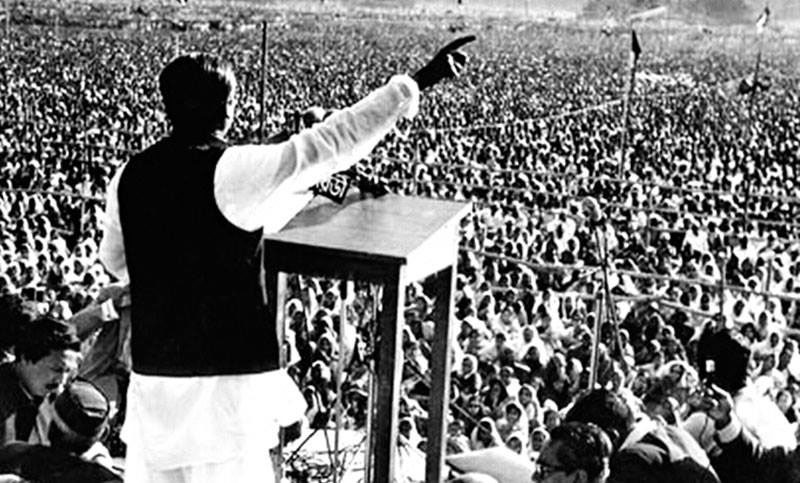
Melbourne, 7 March: Today marks Historic 7 March, a unique, unforgettable, and glorious chapter in the long struggle for freedom and independence of the Bengali…

Melbourne, March 7: The ongoing conflict between the United States and Iran has entered a new and potentially dangerous phase, with US stealth bombers reportedly…
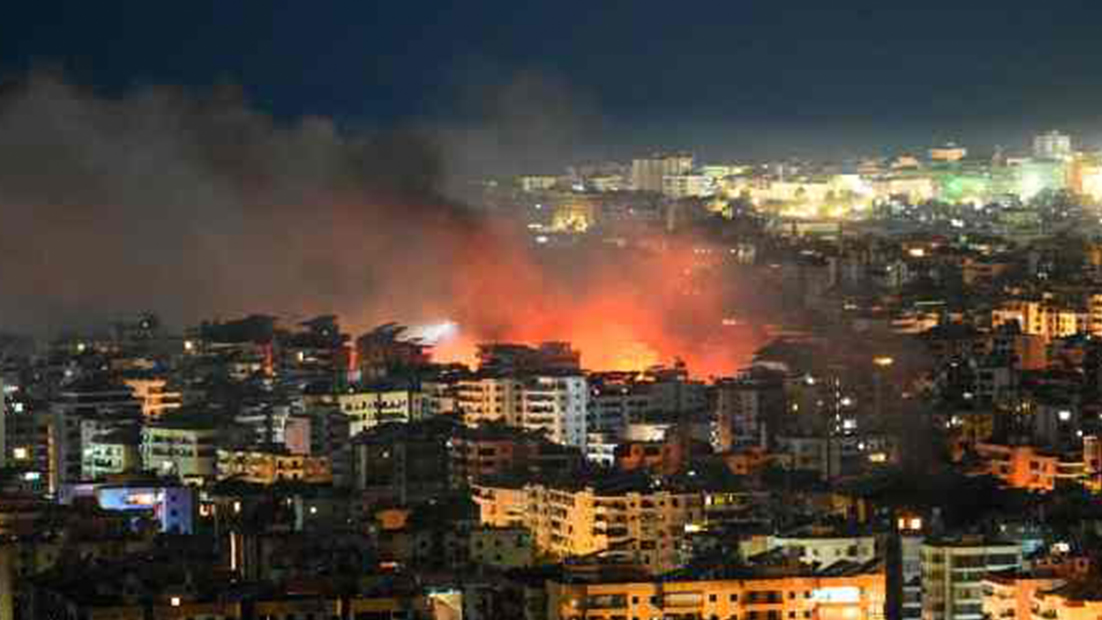
Melbourne, 6 March: The death toll in Iran continues to rise as the United States and Israel intensify their strikes, with residents in the capital…

Melbourne, 6 March: A series of corruption and misconduct allegations have begun to surface against several former advisers of Bangladesh’s interim government, as well as…

All Rights Reserved by © OTN Bangla.com.au - 2026 | Privacy Policy | Terms of Use | Editorial Policy | Proudly Developed by @SSB it.au