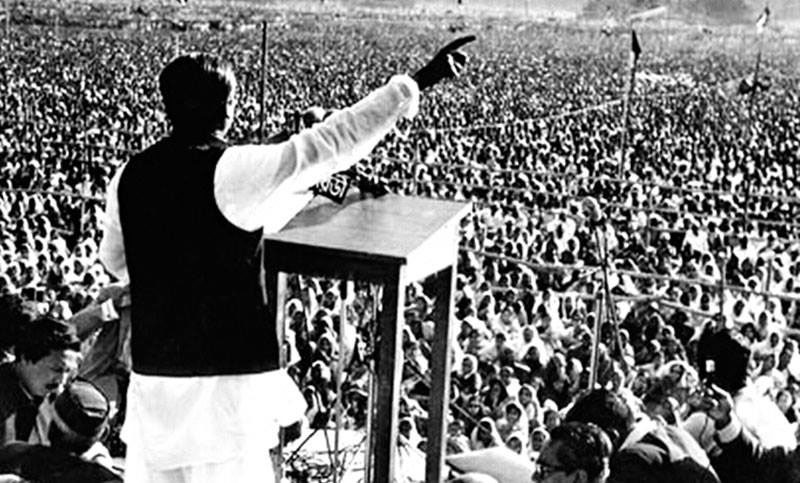
Iran Women’s Football Team Faces Uncertain Future After Asian Cup Anthem Protest
Melbourne, 7 March: The Iranian women’s national football team competing in the AFC Women’s Asian Cup 2026 in Australia has found itself at the centre…




Melbourne, January 20: Australia’s controversial hate speech legislation is set to become law after the Labor government reached a key agreement with the Liberal Party to tighten the scope of the bill. While the revised legislation has secured enough support to pass parliament, the position of the Nationals remains uncertain.
On Tuesday night, Labor’s broader package of gun reforms also passed the Senate with the backing of the Greens, further strengthening Australia’s already strict firearms controls.
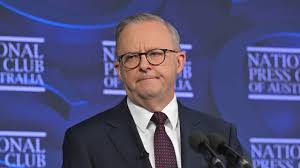
Prime Minister Anthony Albanese and Opposition Leader Sussan Ley agreed on Monday to a series of amendments to Labor’s proposal aimed at banning groups deemed to spread hate, including Hizb ut-Tahrir and neo-Nazi organisations. The changes were introduced after the opposition raised concerns that the original wording was too broad and could threaten freedom of speech.
Under the updated version, the definition of a hate group now explicitly refers to “the promotion of violence,” a change intended to narrow the focus of the law.

Australia’s hate speech bill passes after a crucial deal between the Labor government and the Liberal Party. Photo: ABC
Ms Ley said the Liberals had stepped up to fix legislation that the Albanese government badly mishandled” and that the final agreement was “narrowed, strengthened and properly focused on keeping Australians safe.
However, the Liberal and National party rooms did not meet to settle a joint position, as is usually the case. Nationals leader David Littleproud said his party had not been given enough time to gain “certainty” about the bill’s implications and would abstain from voting in the lower house.
When some government amendments were put to a vote, Nationals MPs Llew O’Brien and Colin Boyce opposed them, although the amendments were ultimately carried and the bill passed the House of Representatives.
Mr Littleproud said his colleagues would seek further amendments in the Senate but did not clarify how they would vote at that stage.
The ABC understands that unease remains among sections of the Liberal Party. One MP told the broadcaster that many within the party were voting for the bill “with gritted teeth.”
Earlier on Tuesday, Liberal frontbencher Julian Leeser said the party had chosen “to be constructive, to pass this legislation as a step in the right direction,” despite what fellow opposition MP Andrew Wallace described as an “omnishambles” of a process.
The legislation was originally drafted in response to the Bondi terror attack. Over the weekend, Labor dropped a contentious proposal to create a new criminal offence for promoting hate in order to secure Coalition support.
Nationals senator Matt Canavan has voiced concerns that the laws could potentially capture groups other than violent extremists. But Liberal senator Jonathon Duniam rejected suggestions that “pro-life groups or church groups” could be targeted, describing such claims as “rubbish.”
Attorney-General Michelle Rowland insisted the laws were tightly focused and would not “trespass onto legitimate free speech.”
“It does not seek to capture lawful debate, robust criticism, religious discussion or genuine political advocacy. It does not target legitimate comedy, satire or artistic expression,” she said.
The bill establishes a formal process for designating hate groups, including input from intelligence and law-enforcement agencies, and requires that the opposition leader be briefed. Unlike the original draft, the revised version mandates briefings for both new listings and de-listings, addressing another Coalition concern.
The operation of the laws will be reviewed every two years by the Parliamentary Joint Committee on Intelligence and Security. The bill also grants the home affairs minister stronger powers to deport individuals who spread hate—measures that have received Coalition support.
Despite lingering political tensions, the passage of the bill marks a significant step in Australia’s efforts to curb extremist activity while balancing the protection of free expression.




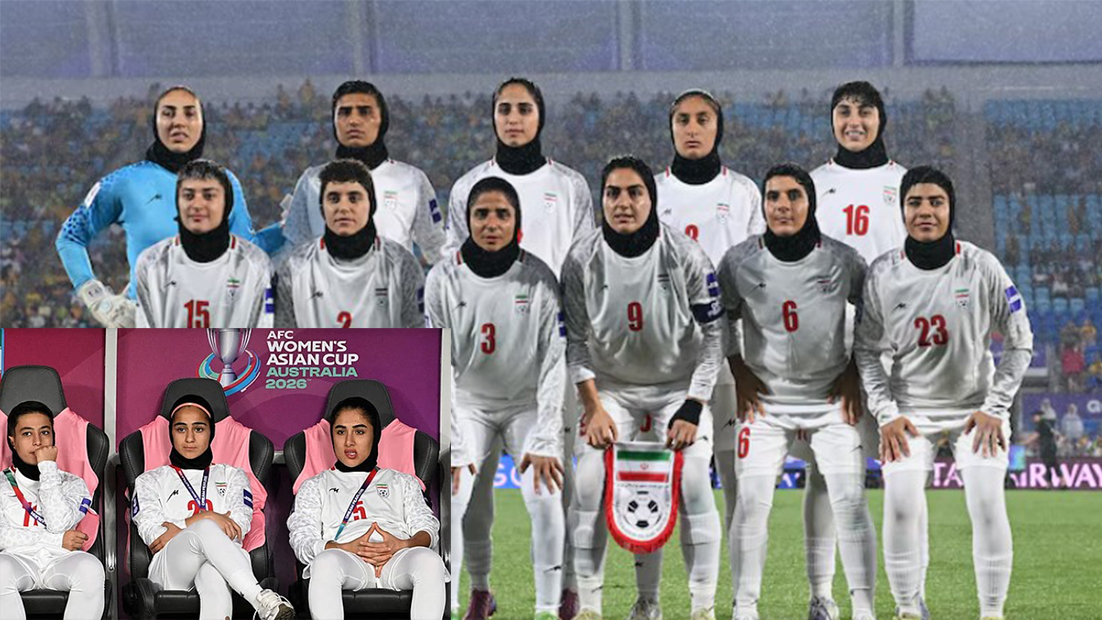
Melbourne, 7 March: The Iranian women’s national football team competing in the AFC Women’s Asian Cup 2026 in Australia has found itself at the centre…

Melbourne, 7 March: Former advisers of Bangladesh’s interim government are increasingly coming under public scrutiny as one corruption allegation after another begins to surface. Those…

Melbourne, March 7: The ongoing conflict between the United States and Iran has entered a new and potentially dangerous phase, with US stealth bombers reportedly…

Melbourne, 6 March: The death toll in Iran continues to rise as the United States and Israel intensify their strikes, with residents in the capital…

Melbourne, March 6: A video of US Secretary of State Marco Rubio predicting Iran’s future actions during a Senate speech in 2015 has recently gone…
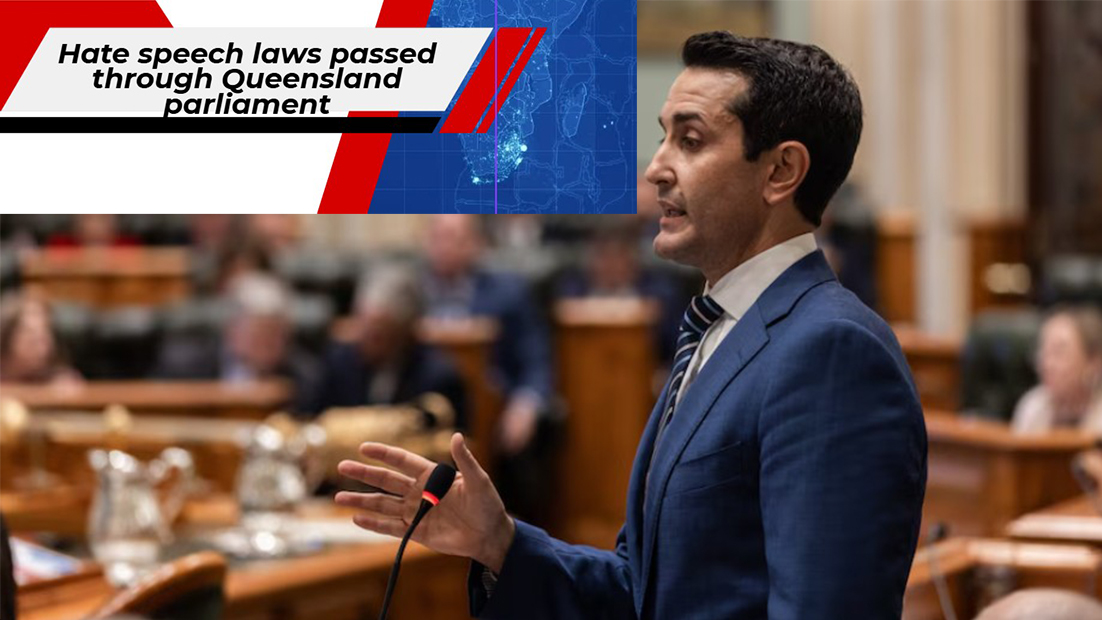
Melbourne, March 5: Queensland’s state parliament has passed new hate speech legislation banning the use of two controversial slogans under certain circumstances. The phrases “from…




All Rights Reserved by © OTN Bangla.com.au - 2026 | Privacy Policy | Terms of Use | Editorial Policy | Proudly Developed by @SSB it.au