Iran Women’s Football Team Faces Uncertain Future After Asian Cup Anthem Protest
Melbourne, 7 March: The Iranian women’s national football team competing in the AFC Women’s Asian Cup 2026 in Australia has found itself at the centre…




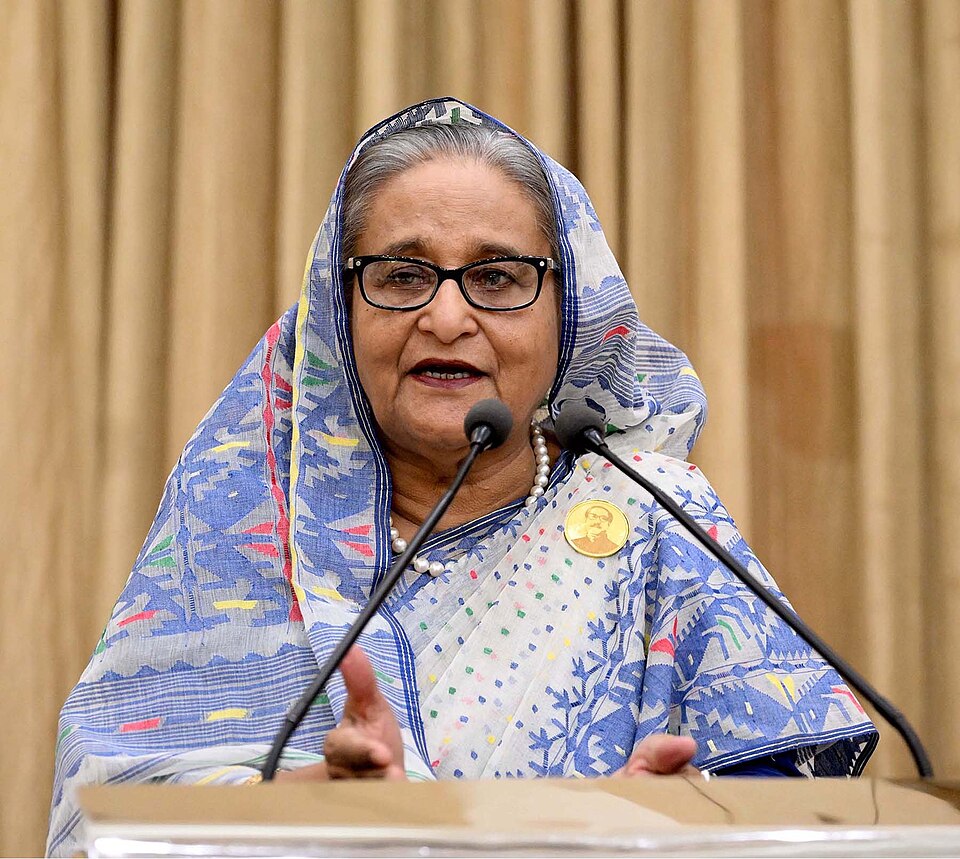
Melbourne, January 29: Bangladesh’s ousted former Prime Minister Sheikh Hasina has strongly criticised the country’s upcoming national election from her exile in India, warning that the process risks plunging the nation into prolonged instability after her party was barred from participating.
In remarks conveyed to the Associated Press, Hasina argued that elections conducted without broad political inclusion cannot bring legitimacy or unity to Bangladesh. She claimed that the interim administration led by Nobel Peace Prize laureate Muhammad Yunus had deliberately excluded millions of her supporters by banning the Awami League, the party that ruled the country for more than a decade.
“Whenever a significant section of the population is denied political participation, resentment grows, institutions lose credibility, and instability becomes inevitable,” Hasina said, adding that a government formed through exclusion cannot heal a divided society.
The February 12 election, in which more than 127 million voters are eligible to participate, is widely regarded as one of the most consequential in Bangladesh’s recent history. It will be the first national poll since Hasina was removed from power following mass protests in 2024. Alongside the election, voters will also weigh a proposed constitutional referendum that could introduce sweeping political reforms.
Hasina fled to India on August 5, 2024, after weeks of violent unrest that ended her 15-year rule. The interim government under Yunus has pledged to conduct a free and fair election, but critics question whether the process can truly meet democratic standards without the participation of the Awami League.
Concerns have also emerged over security, the credibility of the referendum, and the broader political climate. The interim government has stated that security forces will ensure an orderly vote and prevent intimidation or violence. International observers and human rights organisations have been invited to monitor the polls, with the Election Commission expecting around 500 foreign observers, including representatives from the European Union and the Commonwealth.
Since Hasina’s ouster, Bangladesh has faced growing political and security challenges. Human rights groups have accused the interim authorities of failing to adequately protect civil liberties, while the Awami League has alleged arbitrary arrests and deaths in custody of its members—claims denied by the government.
Critics have also raised alarms about the rising influence of Islamist groups and increasing attacks on religious minorities, particularly Hindus. Press freedom has become another point of concern, with several journalists facing legal cases and media organisations reportedly targeted during protests.
Meanwhile, the Bangladesh Nationalist Party (BNP), led by Tarique Rahman, has emerged as a leading contender in the election. Rahman returned to Bangladesh in December after more than 17 years in exile and has pledged to restore stability in the country. His main rival is an alliance of Islamist-oriented parties led by Jamaat-e-Islami, which was previously suppressed under Hasina’s rule.
Hasina has rejected the court verdict that sentenced her to death in absentia over the 2024 protest killings, calling it politically motivated. International rights organisations have also questioned the fairness of the trial.
In her message to the AP, Hasina urged Bangladesh to end the cycle of political bans and boycotts, arguing that the country needs a legitimate government formed with genuine public consent. Only such a government, she said, can help the nation overcome its political divisions and heal its wounds.




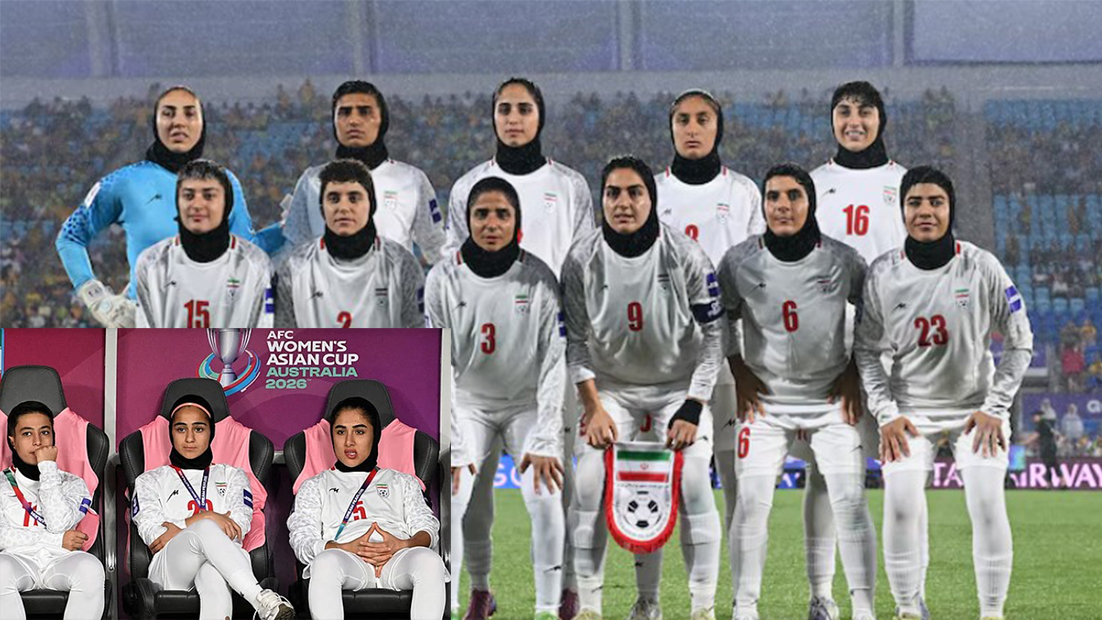
Melbourne, 7 March: The Iranian women’s national football team competing in the AFC Women’s Asian Cup 2026 in Australia has found itself at the centre…

Melbourne, 7 March: Former advisers of Bangladesh’s interim government are increasingly coming under public scrutiny as one corruption allegation after another begins to surface. Those…
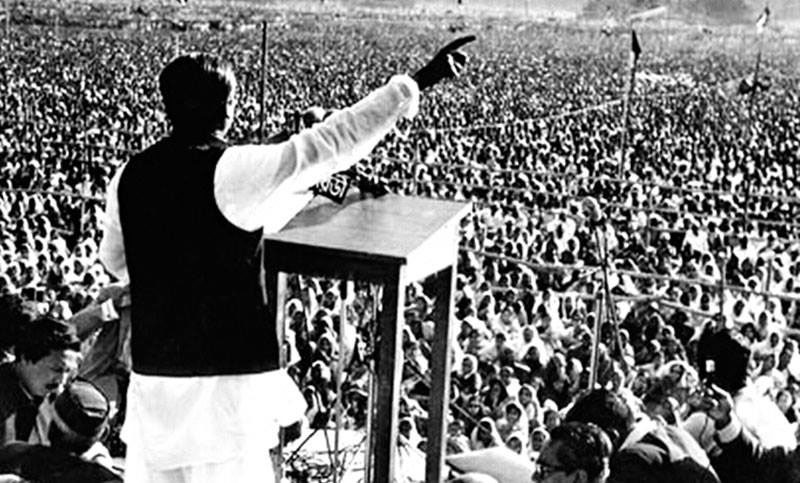
Melbourne, 7 March: Today marks Historic 7 March, a unique, unforgettable, and glorious chapter in the long struggle for freedom and independence of the Bengali…

Melbourne, March 7: The ongoing conflict between the United States and Iran has entered a new and potentially dangerous phase, with US stealth bombers reportedly…
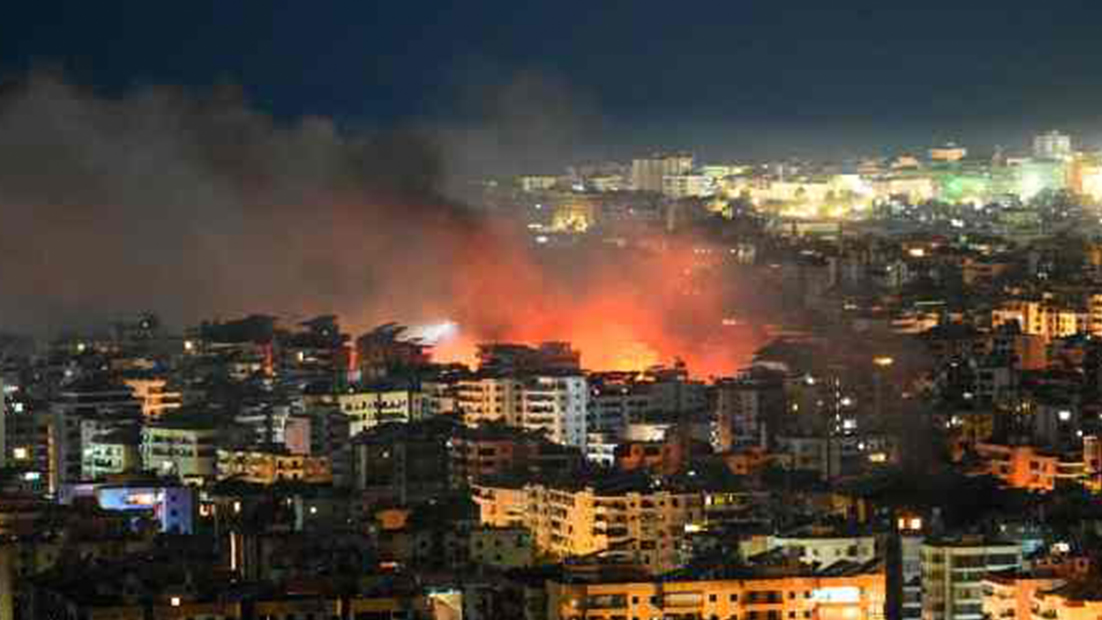
Melbourne, 6 March: The death toll in Iran continues to rise as the United States and Israel intensify their strikes, with residents in the capital…

Melbourne, 6 March: A series of corruption and misconduct allegations have begun to surface against several former advisers of Bangladesh’s interim government, as well as…




All Rights Reserved by © OTN Bangla.com.au - 2026 | Privacy Policy | Terms of Use | Editorial Policy | Proudly Developed by @SSB it.au