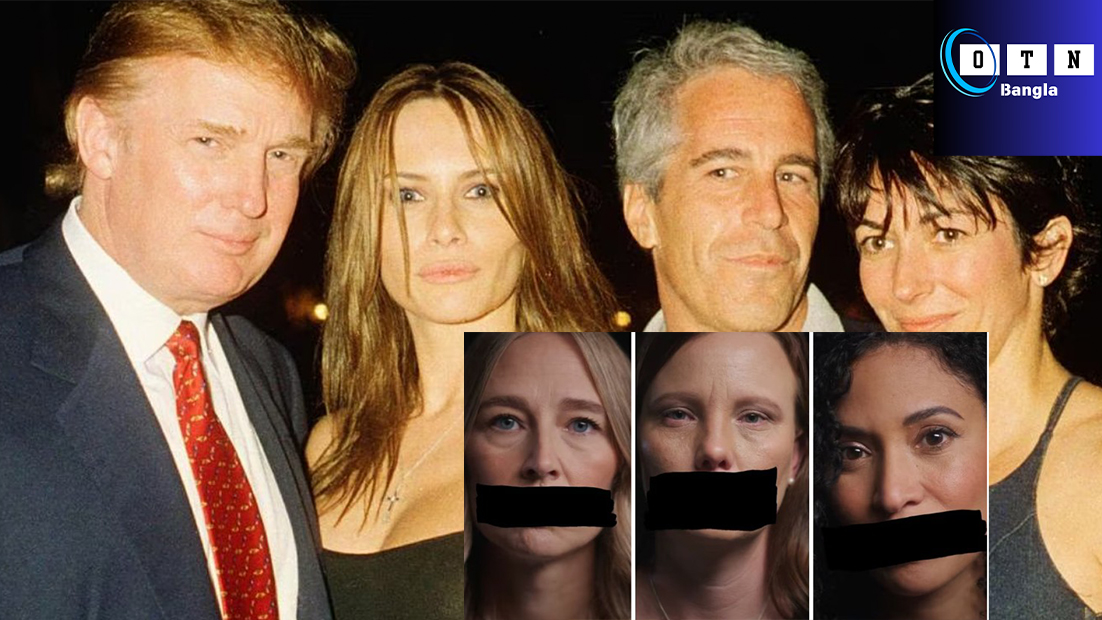
The same is true of current U.S. President Donald Trump, who is referenced in the released materials. Three survivors appear in a Super Bowl–time ad calling for the full release of the Epstein files; their mouths are deliberately redacted to protect identities. Photo: Davidoff Studios/Getty Images.
Melbourne, February 9: Newly released internal documents from the U.S. Department of Justice indicate that while federal investigators gathered substantial evidence that Jeffrey Epstein sexually abused underage girls, they could not substantiate claims that he operated a sex-trafficking ring for powerful men.
According to records reviewed by The Associated Press, investigators found limited evidence to support allegations that Epstein trafficked victims to other men. A 2025 prosecutor’s memo said videos and photographs seized from Epstein’s properties in New York, Florida and the U.S. Virgin Islands did not depict abuse of victims or implicate other individuals in his crimes. Another internal memo from 2019 stated that a review of Epstein’s financial records, including payments to entities linked to influential figures in academia, finance and global diplomacy, found no connection to criminal activity.
In an email sent by federal investigators in July last year, officials said there was “not enough evidence” to charge anyone other than Epstein and his associate, Ghislaine Maxwell, despite claims by “four or five” victims that they were abused by others.
Epstein was first reported to authorities by a victim in the 1990s but did not face significant legal consequences until a decade later. In 2008, he was convicted on state prostitution charges, including one count of soliciting prostitution from a minor, after entering a widely criticised plea agreement viewed as unusually lenient.
The newly released cache—containing thousands of Epstein’s personal emails—also shows that a striking number of prominent individuals continued to associate with him during his 18-month prison sentence and after his release.

Jeffrey Epstein in a 2017 photograph from the New York State sex offender registry. Photo: New York State Division of Criminal Justice Services/Handout via REUTERS (third-party image). CC BY
Following Epstein’s rearrest and death in custody in 2019, Ghislaine Maxwell was convicted on multiple sex-trafficking charges and is now serving a 20-year prison sentence. The Trump administration said last week that its review of the Epstein files has concluded, noting that about 3.5 million documents have been released from a reported total of six million.
A bipartisan law passed by Congress in December required the Department of Justice to release all Epstein-related files. The bill’s sponsors—Republican Congressman Thomas Massie and Democrat Ro Khanna—say they do not believe the government has fully complied.
Several of Epstein’s survivors appeared in a Super Bowl–timed advertisement calling for complete disclosure. Text on screen said the Epstein Files Transparency Act was signed into law on November 19, 2025, but “three million files still have not been released.” The survivors, shown with their mouths redacted, urged Attorney-General Pam Bondi to release the remaining records, saying, “We all deserve the truth.”
Asked on CNN about survivors’ calls to be “made whole,” U.S. Deputy Attorney-General Todd Blanche said accountability requires evidence. “We want justice, but that doesn’t mean we can create evidence or build cases that aren’t there,” he said, adding that while disturbing images exist, they do not automatically enable prosecutions of others. “We have nothing to hide.”
Meanwhile, Maxwell is due to face questioning by members of Congress via video link from prison. Her legal team has resisted the testimony, arguing she should not be compelled while her appeal to overturn her convictions is pending. One of her lawyers, David Markus, said she would invoke her right against self-incrimination. Republican Congresswoman Nancy Mace dismissed that stance as self-preservation by a convicted trafficker, arguing the public deserves to know who else was involved.
Representative Ro Khanna, the ranking Democrat on the committee, released the questions he plans to ask Maxwell, including claims made by her lawyers in court filings that “25 men” reached secret settlements to avoid prosecution over links to Epstein. Khanna is also seeking information about Maxwell’s unsuccessful efforts to obtain a presidential pardon from Donald Trump.
The congressional inquiry is examining Epstein’s ties to powerful figures and scrutinising how law enforcement handled one of the most sprawling and controversial abuse cases in recent U.S. history.