Five Hours of Parole—But Only After His Mother’s Death: What Kind of Humanity Is This?
The iron gates of the prison opened for just five hours—not to offer the joy of freedom, but to allow a grieving son to attend…


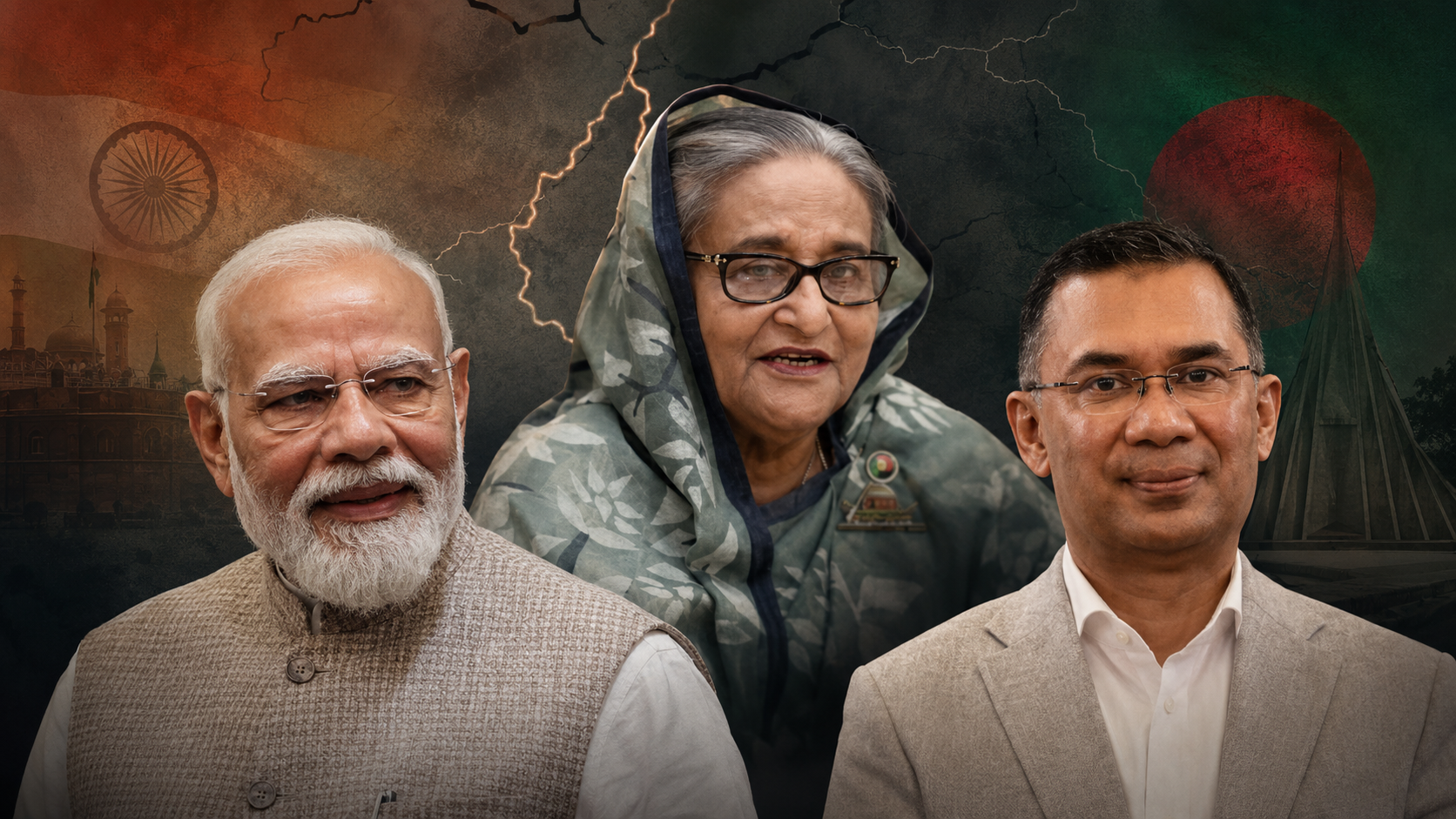
MELBOURNE: Bangladesh–India relations are currently being viewed largely through the lens of Sheikh Hasina’s presence in India and the question of her extradition. The former prime minister remains in India, while Dhaka has formally requested her return. New Delhi has said that Bangladesh’s extradition request is under consideration.
The situation became more complicated after Sheikh Hasina spoke to international media in Delhi and made political statements about Bangladesh’s current government. Her son, Sajeeb Wazed Joy, also alleged that Pakistan’s Inter-Services Intelligence, or ISI, was attempting to expand its influence over the BNP government.
The Bangladesh government described the development as an affront to the country’s sovereignty and an obstacle to rebuilding bilateral relations. Indian authorities, however, said the event had been organised by a private media organisation and that the Indian government was neither involved in nor supportive of the views expressed there.
Despite that explanation, the episode created fresh tension between the two countries and reportedly emerged as one of the factors behind the postponement of Prime Minister Tarique Rahman’s proposed visit to India. Reuters and Al Jazeera have published detailed reports on the issue.
Domestic political pressure is also influencing the government’s decisions. Nahid Islam, a leader of the National Citizen Party and the opposition chief whip, alleged that the BNP government’s diplomatic weakness had allowed Sheikh Hasina to hold a media conference in Delhi. Under such circumstances, Prime Minister Tarique Rahman may have faced considerable criticism at home had he proceeded with the visit.
However, Bangladesh’s relationship with India cannot remain hostage to the fate or political activities of one individual. The two countries share complex and unavoidable interests involving rivers, borders, security, trade and regional stability. These matters require sustained diplomatic engagement, regardless of political changes in either country.
One of the most urgent issues requiring discussion between the leaders of Bangladesh and India is the 1996 Ganges Water-Sharing Treaty. The agreement is due to expire in December this year, yet visible progress towards its renewal or replacement remains extremely limited.
Bangladesh should seek to establish a predictable and effective water-sharing framework that guarantees a fair flow of water during the dry season and prevents the issue from becoming a recurring source of political conflict.
Water Resources Minister Shahid Uddin Chowdhury Anee has said Bangladesh will seek a “guarantee clause” in any renewed agreement. He has also indicated that the country is prepared to approach international forums if necessary to protect its water rights.
Firm statements may demonstrate political resolve, but rhetoric alone will not secure the desired outcome. Bangladesh needs evidence-based negotiations, coordinated river management, diplomatic continuity and effective engagement with both India’s central government and the relevant state authorities.
At such a critical moment, high-level engagement with India should not be interpreted as surrendering Bangladesh’s position on Sheikh Hasina’s extradition. It should instead be regarded as a necessary diplomatic step to protect the country’s broader national interests.
The extradition issue can continue through its appropriate legal and diplomatic channels, while negotiations on water sharing and other bilateral matters proceed simultaneously.
Border Guard Bangladesh has intensified public-awareness activities in the Kushtia and Meherpur border areas to prevent alleged “push-ins” from India, illegal crossings and smuggling.
The Indian Border Security Force, or BSF, has repeatedly faced allegations of forcing people across the border into Bangladesh. Border killings, unauthorised crossings, smuggling and difficulties in repatriating detained citizens have long been sources of tension between the two countries.
Regular communication between the political and security leaderships of Bangladesh and India is therefore essential. Media reports have claimed that Parag Jain, chief of India’s foreign intelligence agency, the Research and Analysis Wing, met in August with Brigadier General (Retired) Dr A.K.M. Shamsul Islam, defence adviser to Prime Minister Tarique Rahman.
Although the details of the reported meeting were not disclosed, the continuation of communication at the security level is a positive development. Such engagement, however, must also address the security, dignity and human rights of people living along the border.
Bangladesh–India relations cannot be reduced to the relationship between a particular leader and a particular political party. Governments and leaders change, but geography does not. The two countries will remain neighbours, and their shared challenges will continue to demand practical cooperation.
India must recognise that a sustainable relationship with Bangladesh requires engagement with its people and state institutions, rather than excessive reliance on any single political force. Bangladesh, likewise, must not allow domestic political rivalry or anti-India rhetoric to obstruct diplomacy essential to protecting its national interests.
Sheikh Hasina’s extradition is undoubtedly an important legal and political matter, but it should not be allowed to overshadow negotiations on the Ganges water treaty, border security, trade, connectivity and regional stability. At the same time, restoring relations must not come at the expense of Bangladesh’s sovereignty, demand for justice or legitimate national concerns.
Dhaka and Delhi must therefore move beyond personality-driven politics and place the long-term interests of their peoples at the centre of the relationship. The shadow of Sheikh Hasina should not be allowed to determine the future of two neighbouring nations.
Editor: Dr Prodip Roy, OTN Bangla, Melbourne


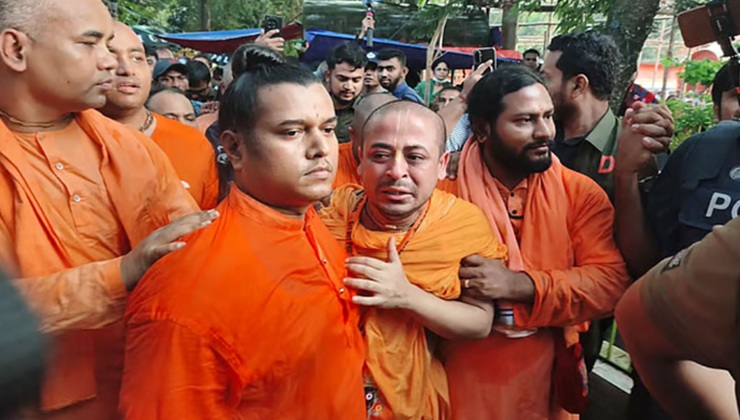
The iron gates of the prison opened for just five hours—not to offer the joy of freedom, but to allow a grieving son to attend…
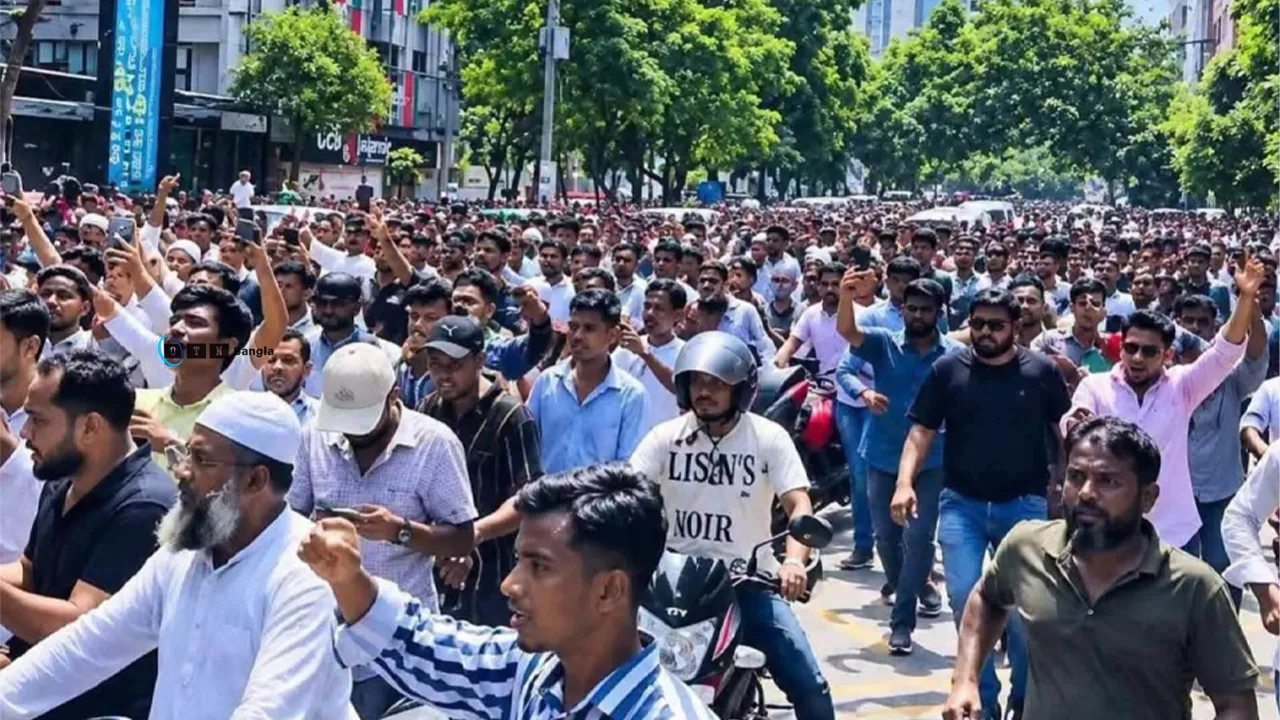
Hundreds of Awami League supporters took part in a march in Dhaka’s Gulshan area on Friday, chanting the slogan ‘Joy Bangla’. The march was planned…
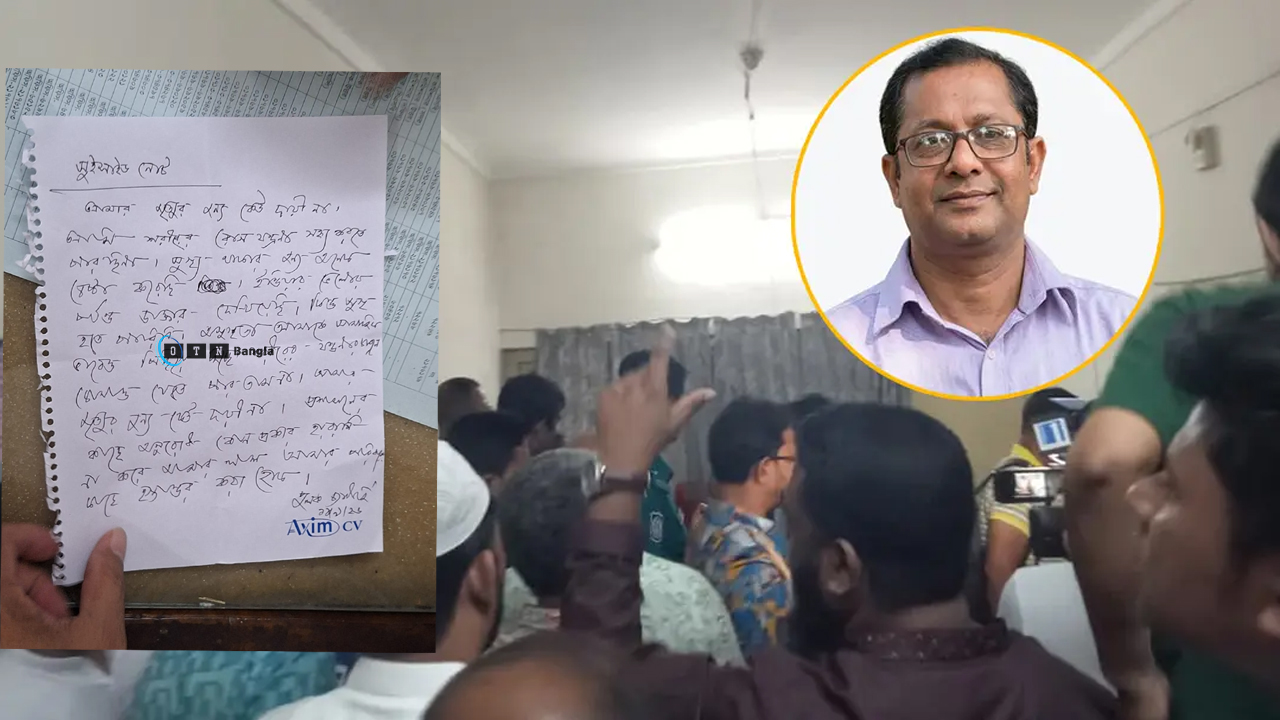
Police have recovered the body of senior journalist Pulak Chatterjee, president of the National Dailies Bureau Chief Association and former bureau chief of Bangladeshi newspaper…
Melbourne: The Australian Federation for Ethnic and Religious Minorities in Bangladesh (AFERMB) has expressed profound sorrow over the death of Shrimati Sandhya Rani Dhar, mother…

Melbourne: “Ask R U OK? Any Day” — Australians are being encouraged to check in with the people around them, not just today but throughout…
A gold trader has been hacked to death by unidentified assailants while returning home after closing his shop in Mahadebpur, Naogaon. The victim, identified as…
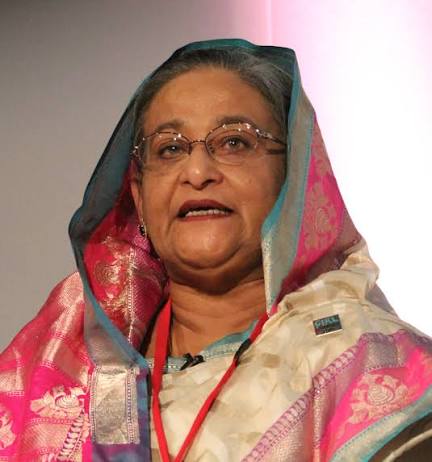
Bangladesh’s former Prime Minister and Awami League president Sheikh Hasina may be accompanied by a group of independent international observers if and when she returns…

Police in Gopalganj have arrested Hafizur Rahman Piyal, owner of FNF Convention Hall and Party Centre, over allegations that a concert was organised without police…




All Rights Reserved by © OTN Bangla.com.au - 2026 | Privacy Policy | Terms of Use | Editorial Policy | Proudly Developed by @SSB it.au