Durga Puja: A Pledge of Harmony, a Question of Security
Durga Puja: A Pledge of Harmony, a Question of Security Autumn’s white clouds, swaying kash flowers and the beat of the dhak herald the return…


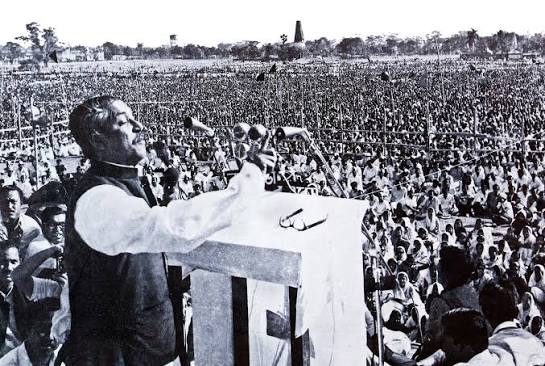
Melbourne, 7 March: Today marks Historic 7 March, a unique, unforgettable, and glorious chapter in the long struggle for freedom and independence of the Bengali nation. On this day in 1971, at the then Racecourse Maidan in Dhaka (now Suhrawardy Udyan), the Father of the Nation, Bangabandhu Sheikh Mujibur Rahman, delivered his historic speech. That brief 18-minute address ultimately became the decisive inspiration and guidance that led an entire nation towards independence.
Bangabandhu’s speech was not merely a political statement; it was an epic proclamation of the Bengali nation’s identity, dignity, and aspiration for freedom. In every sentence, he outlined the long history of struggle and resistance of the Bengali people, exposed the discrimination and oppression imposed by the Pakistani rulers, and provided clear direction for the path ahead.
On that day, he declared in unmistakable terms:
“This time the struggle is for our liberation; this time the struggle is for independence.”
In this single sentence, he defined the spirit, purpose, and destiny of the Bengali liberation struggle.
Although Pakistan was created in 1947 based on religious ideology, communal politics, and the Two-Nation Theory, it soon became clear that the rights and dignity of the Bengali population were not protected within that state structure. In political, economic, cultural, and administrative spheres, the people of East Pakistan faced systematic discrimination.
From the Language Movement to the Six-Point Movement, from the mass uprising to various democratic struggles, the foundations of Bengali nationalism and nationhood gradually became stronger. Through these 23 years of continuous political movements and resistance, the groundwork was laid for the emergence of an independent nation-state.
In the 1970 general election, the Awami League won an absolute majority in Pakistan’s National Assembly. However, the military rulers of Pakistan began delaying the transfer of power. Ultimately, on 1 March 1971, President General Yahya Khan abruptly postponed the scheduled session of the National Assembly indefinitely. This decision triggered a massive wave of protests across East Pakistan.
Under the leadership of Bangabandhu Sheikh Mujibur Rahman, a nationwide non-cooperation movement began. On 2 March, a strike was observed in Dhaka, followed by a nationwide strike on 3 March. At a massive rally in Paltan Maidan on that day, Bangabandhu announced a programme of total non-cooperation throughout East Bengal.
Amid this charged political atmosphere, the historic gathering of 7 March took place.
On that day in 1971, Dhaka’s Racecourse Maidan turned into a sea of humanity. Millions of people travelled from districts across the country to hear Bangabandhu’s speech. Dhaka became a city of people, echoing with slogans, anticipation, and revolutionary spirit.
The speech Bangabandhu delivered to that vast crowd was both firm and strategic. Although he did not formally declare independence, he carefully crafted his message in a way that prepared the entire nation for the coming struggle.
He called upon people to build fortresses in every home, refuse to pay taxes, and continue the non-cooperation movement in every sector of administration and public life.
According to information from the Liberation War Museum, when Dhaka Radio refused to broadcast Bangabandhu’s speech live on 7 March, Bengali employees working at the station protested by boycotting work. From the afternoon onward, all programmes at Dhaka Radio were suspended.
Later, when it was announced that the historic speech would be broadcast, people across the country eagerly waited beside their radio sets. However, at the last moment, military authorities ordered the broadcast to be halted, which effectively paralysed the radio station.
Finally, late at night, the authorities allowed the full text of the speech to be aired, and Dhaka Radio resumed operations, delivering Bangabandhu’s historic message to the entire nation.
Bangabandhu’s 7 March speech holds a unique place not only in the history of Bangladesh but also in world history. On 30 October 2017, the United Nations Educational, Scientific and Cultural Organization (UNESCO) recognised the speech as part of the Memory of the World documentary heritage.
This recognition affirms that the speech is not merely a milestone in Bangladesh’s struggle for independence; it is also a historic document representing humanity’s broader struggle for freedom, self-determination, and justice.
A secret intelligence report of the Pakistan Army at the time described Bangabandhu as “clever,” with one officer reportedly stating:
“Sheikh Mujib has cleverly declared independence, but we could do nothing.”
This observation itself illustrates how strategic and farsighted the 7 March speech was. Bangabandhu delivered it in such a way that it mobilised the entire nation for independence while preventing the Pakistani military from immediately arresting him on charges of treason.
It is deeply unfortunate that in recent times there have been attempts by certain quarters to erase or diminish this proud chapter of Bangladesh’s history. During the period of the interim government, some decisions were widely criticised as efforts to “reset” or dilute the memory of the country’s independence struggle. The historic house at Dhanmondi 32, closely associated with Bangabandhu’s legacy, was demolished. Likewise, there has been criticism that Historic 7 March was removed from the list of national observances.
Many historians and conscious citizens believe that such actions strike at the very heart of a nation’s historical memory and collective identity.
Historic 7 March remains a powerful symbol of the Bengali nation’s dignity, unity, and determination. For the younger generation, its enduring lesson is clear: to remain united in protecting rights, freedom, and national dignity while preserving the spirit of history.
Because Bangabandhu’s immortal call still resonates with equal inspiration today:
“This time the fight is for our liberation; this time the fight is for independence.”
— Editorial Desk


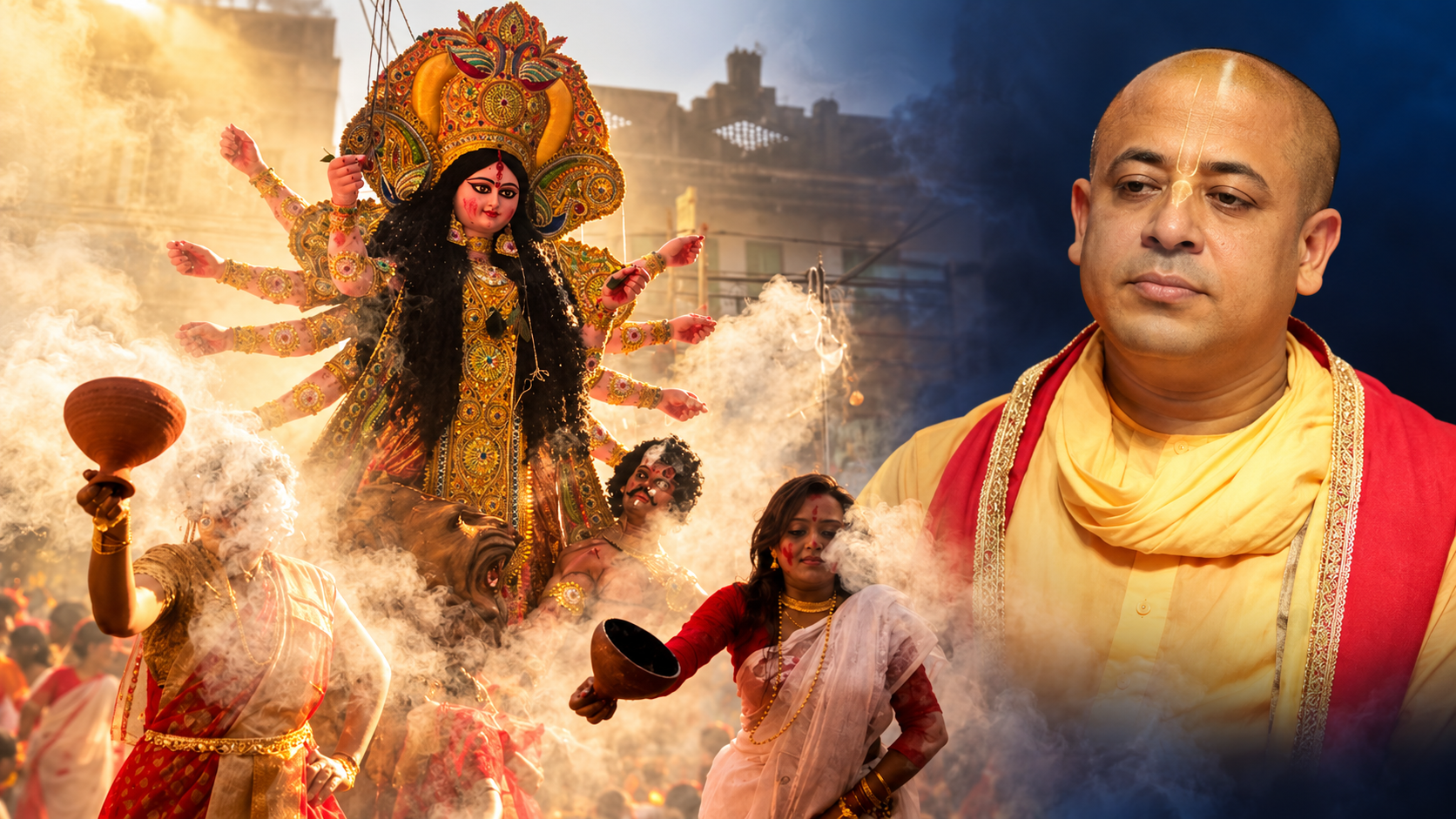
Durga Puja: A Pledge of Harmony, a Question of Security Autumn’s white clouds, swaying kash flowers and the beat of the dhak herald the return…
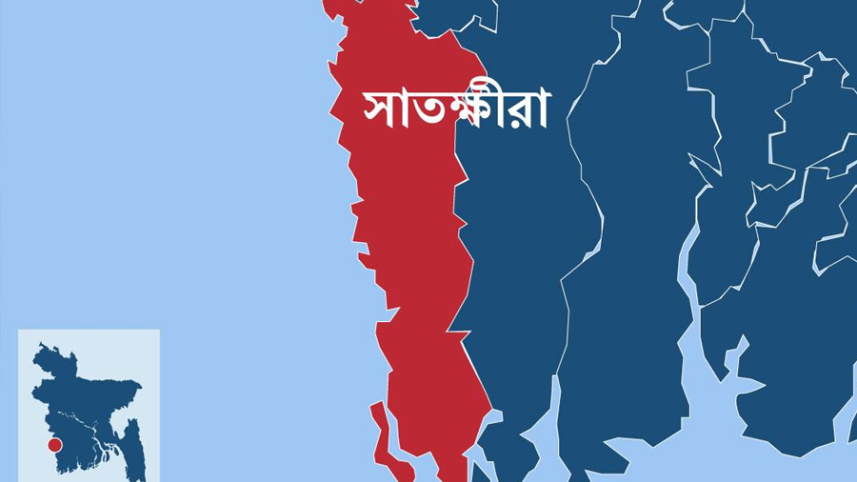
OTN Bangla Desk: A 52-year-old fish farmer was allegedly beaten to death on suspicion of stealing fish from a fish enclosure in Tala upazila of…
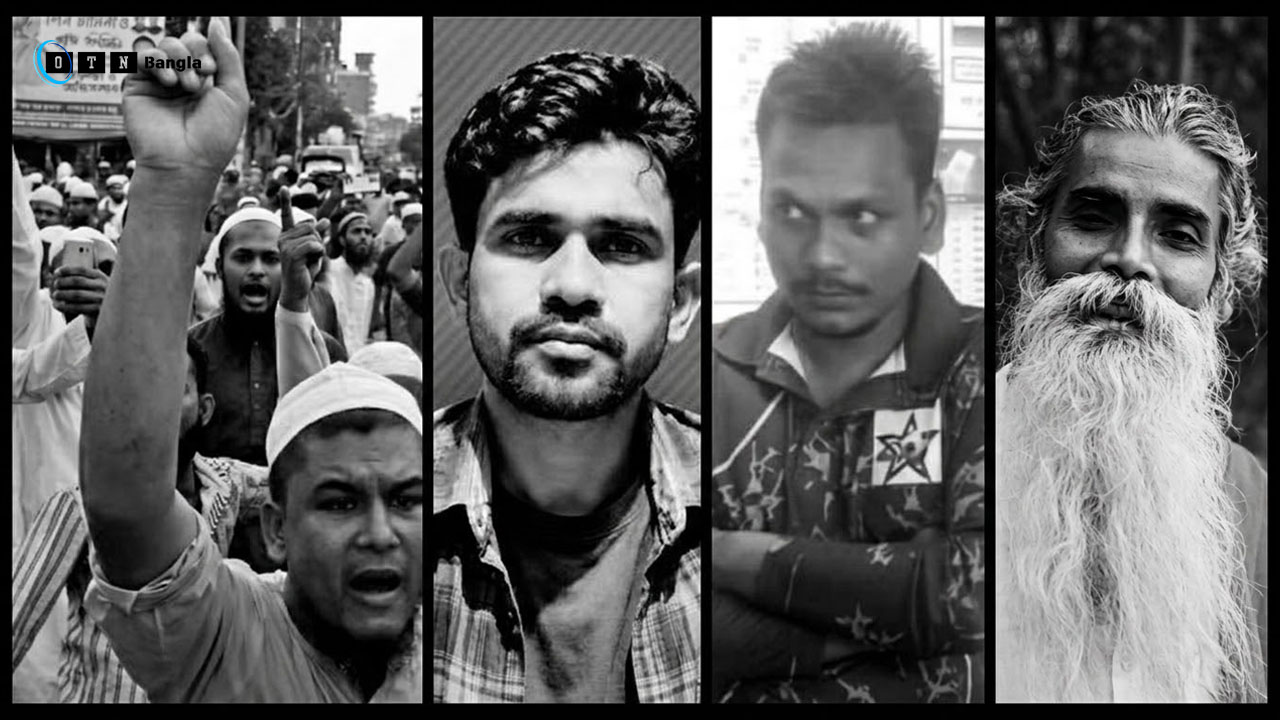
The death of Wahiduzzaman Shamim in Satkhira exposes the danger of mob violence in Bangladesh. According to police, the 30 year old man was beaten…
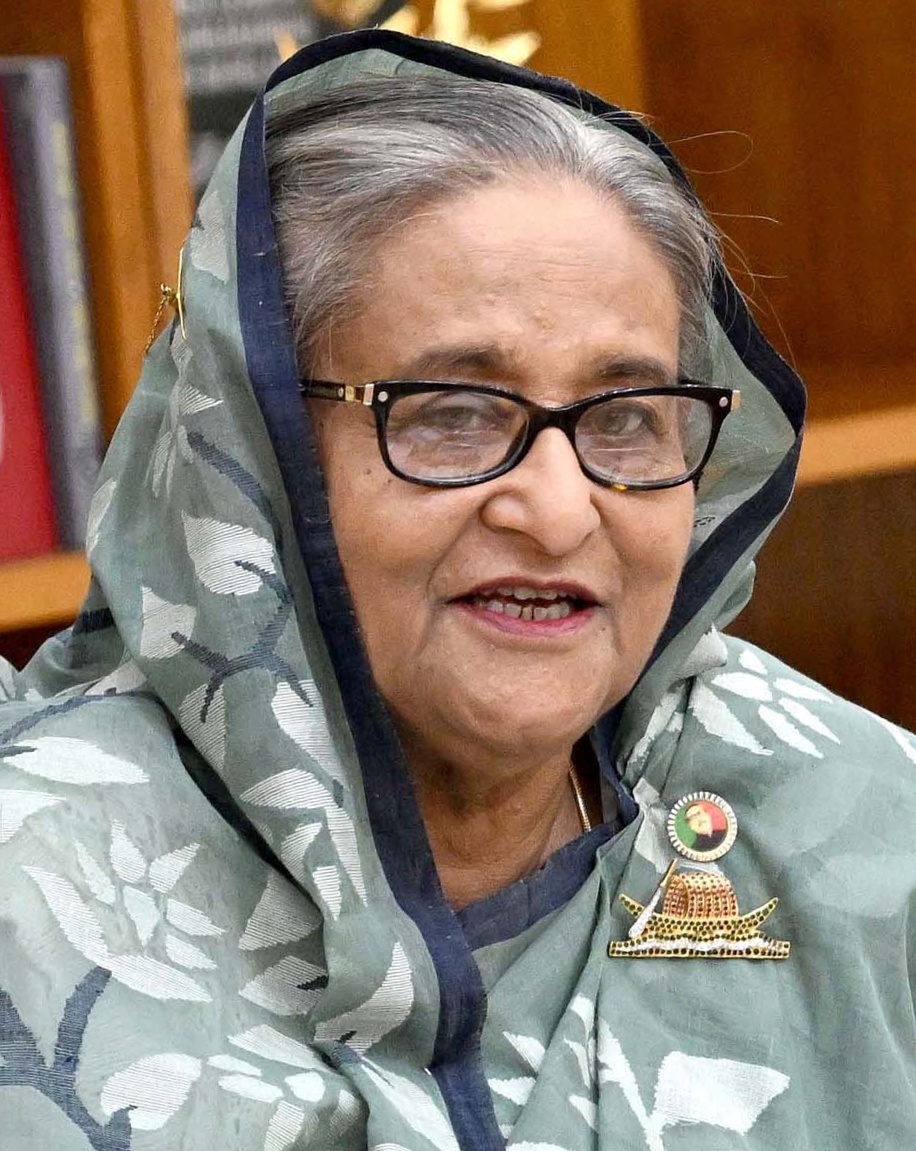
OTN Bangla Desk: Former Bangladesh Prime Minister Sheikh Hasina has criticised Prime Minister Tarique Rahman for declining to attend the BRICS summit in India. In…

I am not an avid reader, but I do go through a book whenever I can make time for it. The last audiobook I finished…
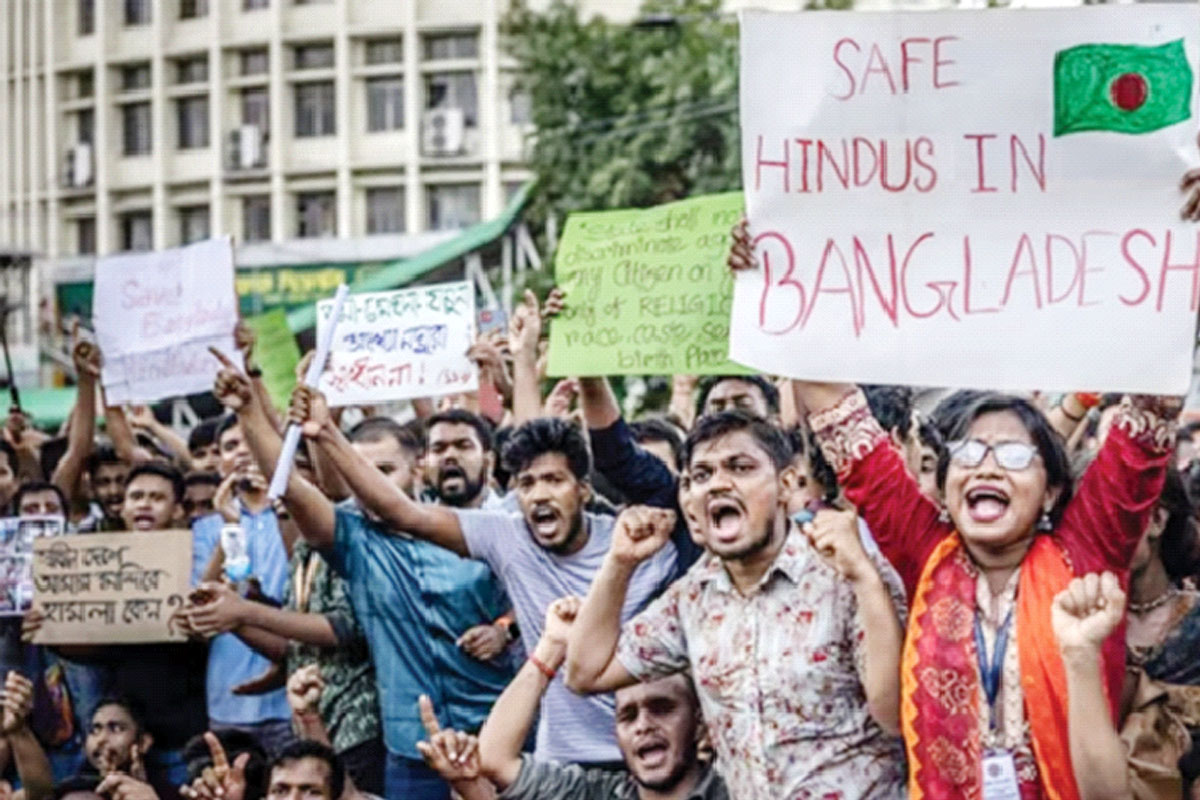
OTN Bangla Desk: Land and property disputes, disappearances, kidnappings, physical assaults, attacks on religious sites, murders and mysterious deaths feature in the July–September 2026 quarterly…
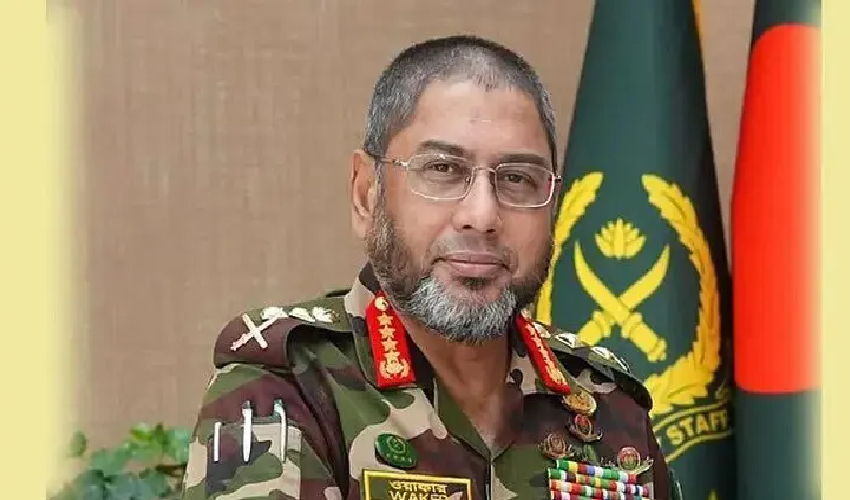
Reports about General Waker-Uz-Zaman’s future have fuelled speculation, while ISPR has warned against misleading information. No confirmed government announcement of his removal has been cited….
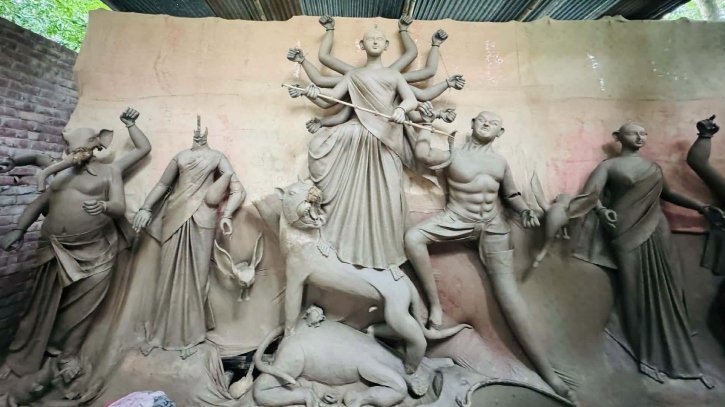
A Festival Overshadowed by Fear As Bangladesh’s Hindu community prepares for Durga Puja, reports of idol vandalism in several parts of the country have cast…




All Rights Reserved by © OTN Bangla.com.au - 2026 | Privacy Policy | Terms of Use | Editorial Policy | Proudly Developed by @SSB it.au