Durga Puja: A Pledge of Harmony, a Question of Security
Durga Puja: A Pledge of Harmony, a Question of Security Autumn’s white clouds, swaying kash flowers and the beat of the dhak herald the return…


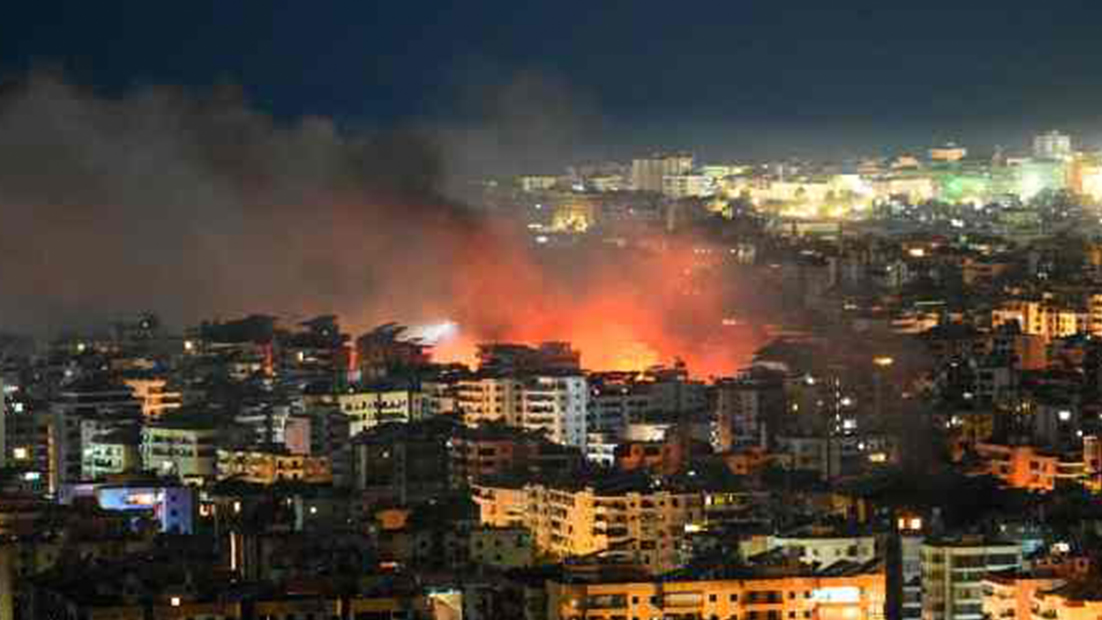
Melbourne, 6 March: The death toll in Iran continues to rise as the United States and Israel intensify their strikes, with residents in the capital Tehran describing nights filled with relentless explosions and widespread fear.
Iran’s Red Crescent reported that at least 1,332 people have been killed since Saturday as a result of US and Israeli attacks across the country. Residents say the bombardment has created one of the most terrifying periods in recent memory.
One man in his 30s told the BBC that the attacks shook his home for several minutes.
“The house was shaking for five minutes straight. Last night was the worst night,” he said, adding that it had become almost impossible to sleep because of the constant explosions.
Another woman in Tehran said she woke up before dawn to the sound of strikes.
“I woke up to explosions at 5am and haven’t been able to sleep since,” she said.
A third resident described the sounds of the bombardment as if “a dragon was raging through the city,” saying the blasts were so powerful that windows across neighbourhoods were shaking.
Communication with people inside Iran has become extremely difficult due to a nationwide internet blackout. Internet monitoring group NetBlocks said the outage has now continued for six consecutive days.
Meanwhile, US President Donald Trump issued a stark warning to Iranian military forces during a White House event, urging members of Iran’s Revolutionary Guard, military and police to lay down their arms.
“I’m once again calling on all members of the Iranian Revolutionary Guard, the military and the police to lay down their arms,” Trump said.
“Now is the time to stand up for the Iranian people and help take back your country.”
Reports also say Trump delivered a chilling ultimatum to Iranian diplomats, offering what he described as a choice between “total immunity” or “guaranteed death.”
The conflict appears to be widening across the region. New footage has emerged showing Iranian missiles striking Bahrain’s largest oil refinery, raising fears that the war could spread further across the Middle East.
The refinery, operated by Bahrain’s state oil company Bapco, is located on the island of Sitra, south of the capital Manama. The facility has a maximum production capacity of 267,000 barrels of oil per day and storage capacity for up to 14 million barrels.
Authorities said the fire caused by the missile strike has been fully contained and no injuries were reported.
Another country drawn into the conflict overnight was Azerbaijan, which accused Tehran of carrying out a drone attack that damaged a school and an airport.
The Muslim-majority Central Asian nation, which hosts no US military bases and had previously stayed out of the crisis, described the incident as an “ugly terrorist act” and warned it could take retaliatory measures against Iran.
The United Nations refugee agency UNHCR has declared the escalating Middle East conflict a major humanitarian emergency, warning of a potential refugee crisis.
“UNHCR has declared the escalating crisis in the Middle East as a major humanitarian emergency,” the agency’s emergency chief Ayaki Ito told reporters in Geneva.
The warning comes amid fears that continued strikes and civilian evacuations could trigger a new wave of displacement across the region.
Europe experienced a massive refugee influx in 2015, when more than one million people fled wars in Syria, Afghanistan and Iraq.
Sweden’s Migration Minister Johan Forssell said he does not believe another refugee surge into Europe is imminent but acknowledged the situation could change rapidly.
“We cannot have what we had ten years ago. We cannot have another refugee crisis,” he told Euronews.
Meanwhile, the UN High Commissioner for Human Rights Volker Turk called for urgent de-escalation.
“The world urgently needs to see steps to contain and extinguish this blaze,” he said.
“Instead, we are seeing more inflammatory rhetoric, more bombings, more destruction and killings that are further escalating the conflict.”
He urged all parties involved to take immediate steps to reduce tensions and give peace a chance.


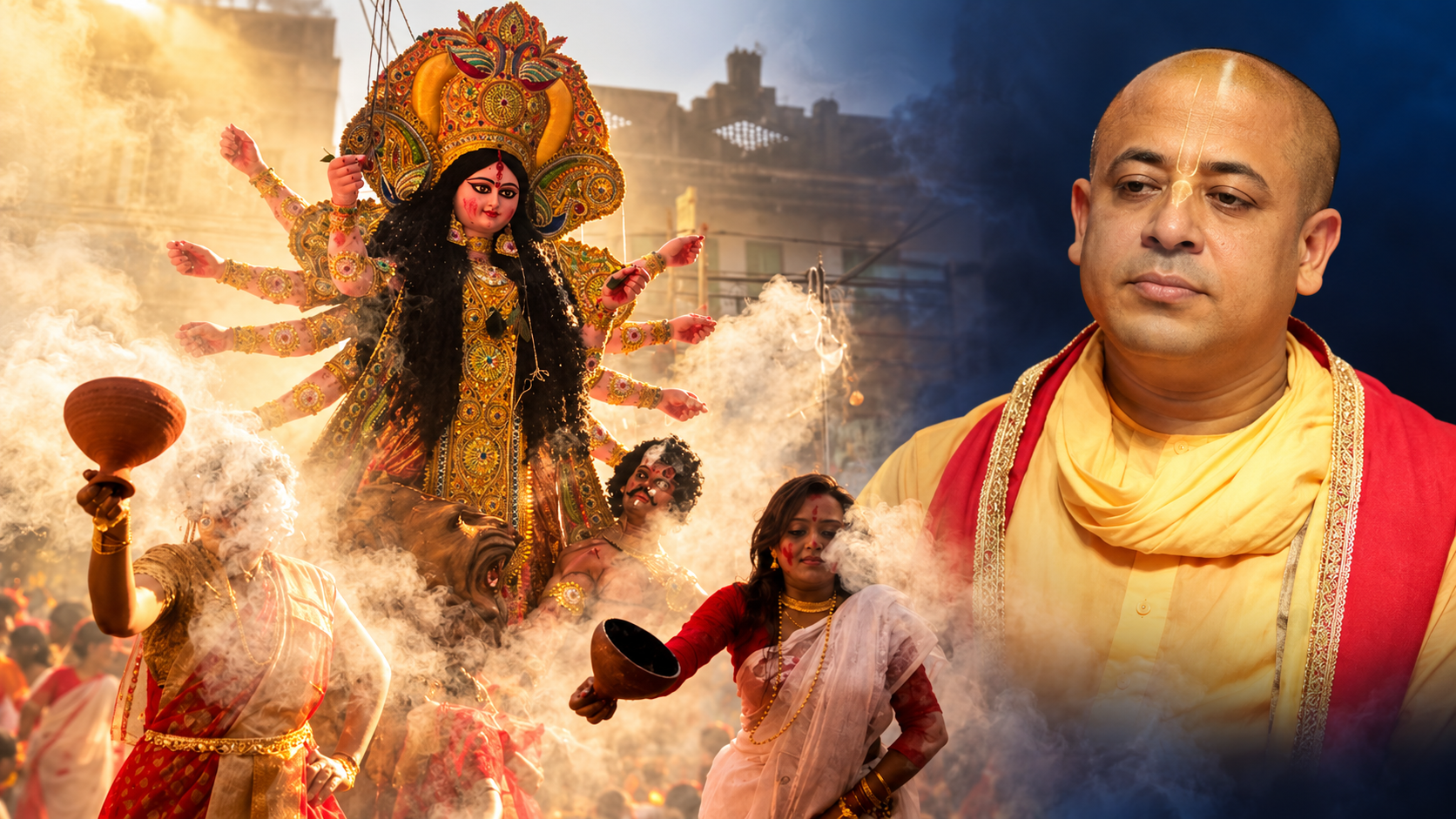
Durga Puja: A Pledge of Harmony, a Question of Security Autumn’s white clouds, swaying kash flowers and the beat of the dhak herald the return…
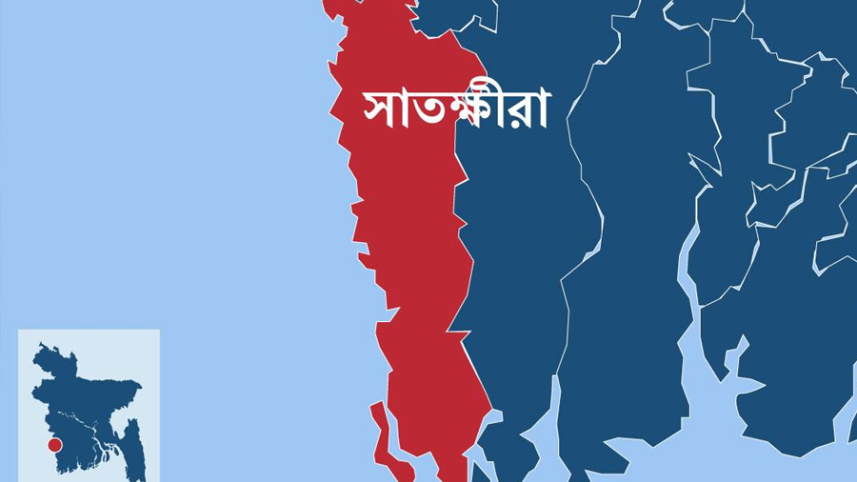
OTN Bangla Desk: A 52-year-old fish farmer was allegedly beaten to death on suspicion of stealing fish from a fish enclosure in Tala upazila of…
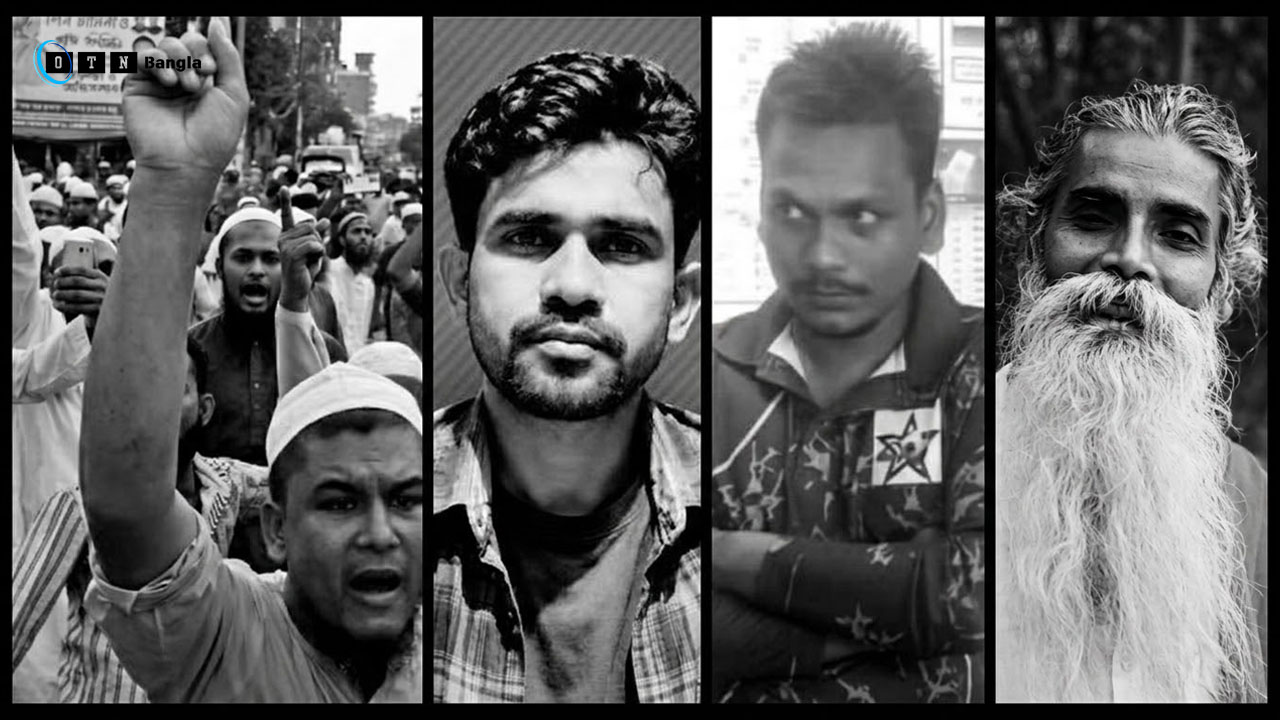
The death of Wahiduzzaman Shamim in Satkhira exposes the danger of mob violence in Bangladesh. According to police, the 30 year old man was beaten…
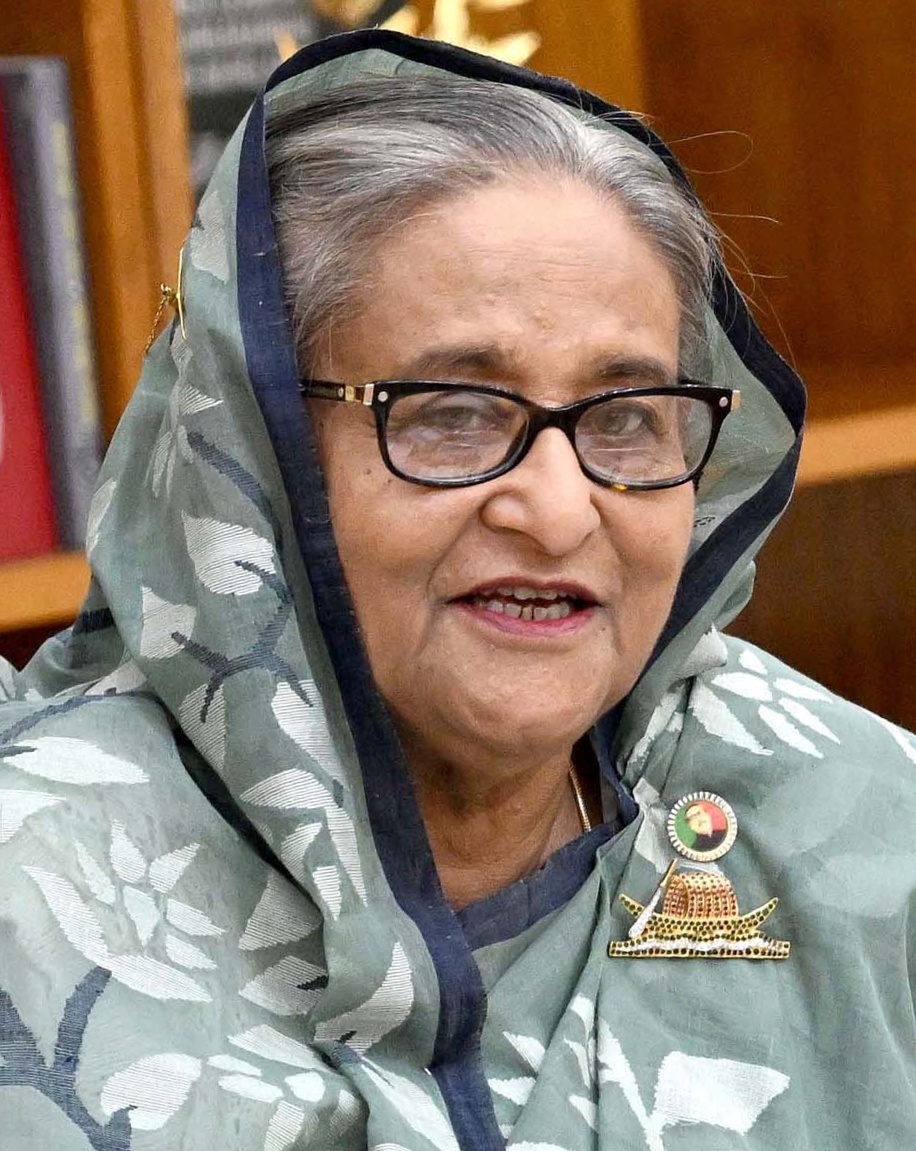
OTN Bangla Desk: Former Bangladesh Prime Minister Sheikh Hasina has criticised Prime Minister Tarique Rahman for declining to attend the BRICS summit in India. In…

I am not an avid reader, but I do go through a book whenever I can make time for it. The last audiobook I finished…
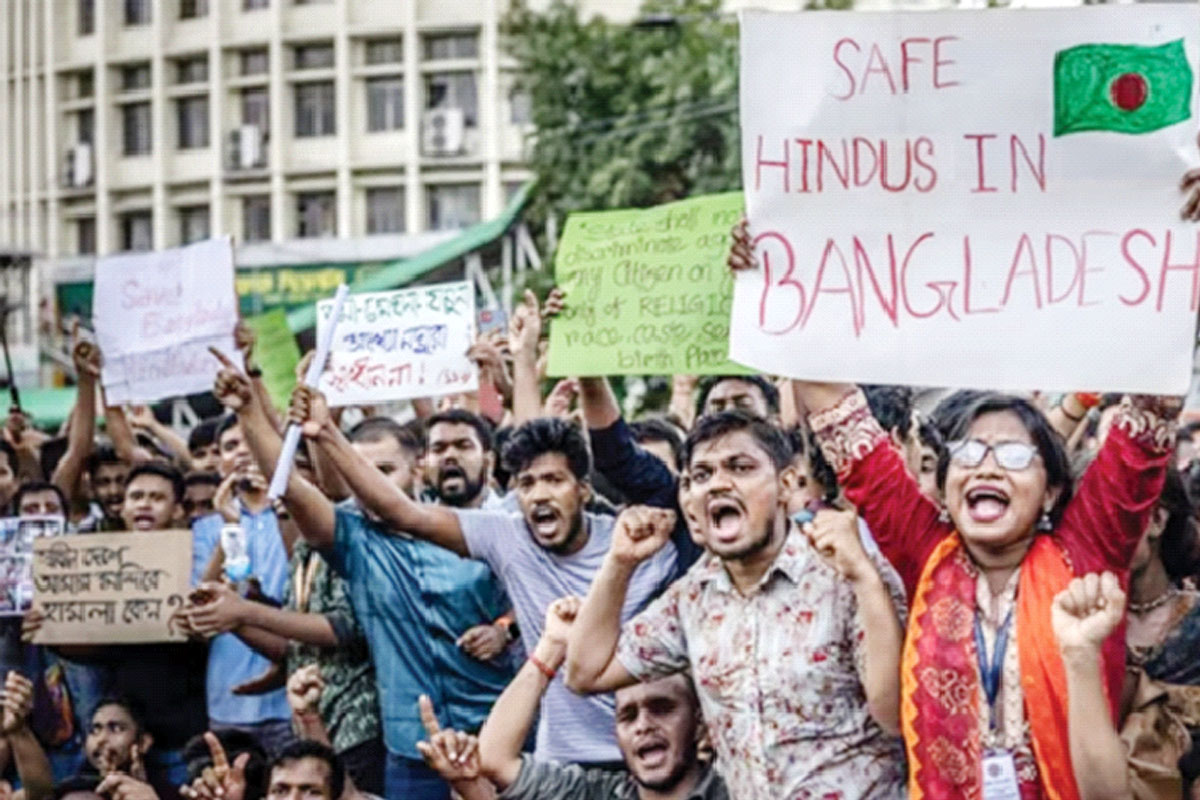
OTN Bangla Desk: Land and property disputes, disappearances, kidnappings, physical assaults, attacks on religious sites, murders and mysterious deaths feature in the July–September 2026 quarterly…
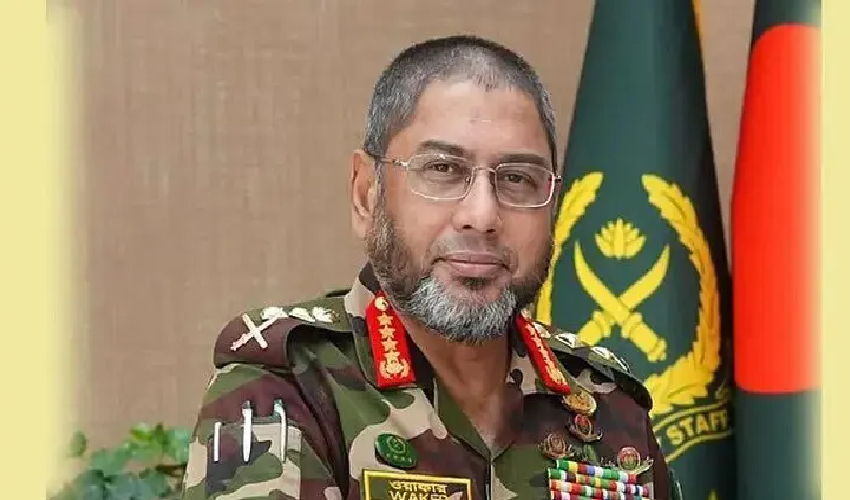
Reports about General Waker-Uz-Zaman’s future have fuelled speculation, while ISPR has warned against misleading information. No confirmed government announcement of his removal has been cited….
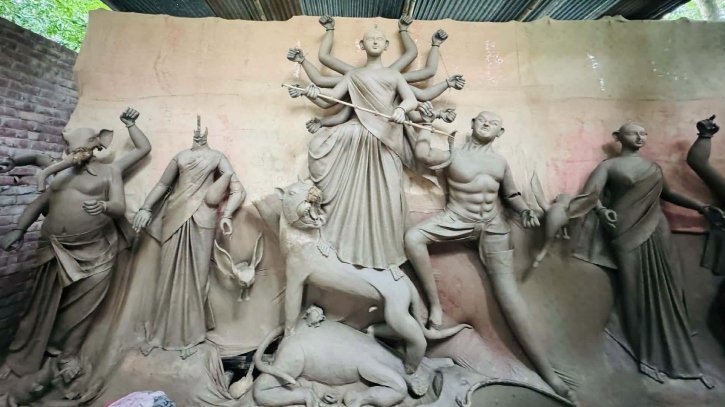
A Festival Overshadowed by Fear As Bangladesh’s Hindu community prepares for Durga Puja, reports of idol vandalism in several parts of the country have cast…




All Rights Reserved by © OTN Bangla.com.au - 2026 | Privacy Policy | Terms of Use | Editorial Policy | Proudly Developed by @SSB it.au