Durga Puja: A Pledge of Harmony, a Question of Security
Durga Puja: A Pledge of Harmony, a Question of Security Autumn’s white clouds, swaying kash flowers and the beat of the dhak herald the return…


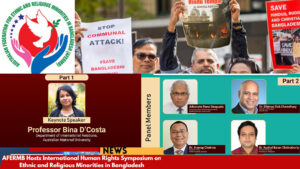
Melbourne, February 28: The Australian Federation for Ethnic and Religious Minorities in Bangladesh Ltd (AFERMB) today convened an International Human Rights Symposium titled “Ethnic and Religious Minorities in Bangladesh: Rights, Realities, and Future Pathways” on 28 February 2026 via Zoom, drawing around 100 participants from across the world.
The online symposium brought together academics, human rights advocates, legal experts and community leaders to examine the historical and contemporary challenges faced by minorities in Bangladesh, and to explore possible pathways for reform and protection.
The event commenced with an introductory address by Amal Dutta, one of the Directors of AFERMB, who outlined the organisation’s background, objectives and housekeeping guidelines. He highlighted AFERMB’s commitment to advocacy, research and global engagement concerning minority rights in Bangladesh.
This was followed by an Acknowledgement of Country delivered by Swapan Paul, also a Director of AFERMB, recognising Indigenous custodians of the land and affirming solidarity with marginalised communities worldwide.
The keynote session was chaired by Professor Dr Jahar Bhowmik of Swinburne University of Technology. The keynote address was delivered by Professor Bina D’Costa from the Department of International Relations at Australian National University. Professor D’Costa presented a comprehensive analysis of minority rights within the broader framework of international human rights. She discussed the concept of precarity and examined how minorities in Bangladesh have historically been targeted during periods of political unrest.
Her presentation explored key questions, including: Who qualifies as a minority under international human rights law? How have colonial census practices and communal representation shaped identity politics? How has the rise of communal politics influenced state and societal responses to minorities?
Professor D’Costa emphasised that Bangladesh lacks comprehensive legal protections specifically safeguarding minority communities. She argued that both the absence of targeted laws and weak implementation of existing anti-discrimination provisions have contributed to recurring incidents of violence and marginalisation.
Drawing on reports from national dailies and other documented accounts, she outlined patterns of attacks on Hindu, Buddhist and other minority communities under successive governments, noting that some incidents have gone unreported in mainstream media. The keynote concluded with an interactive question-and-answer session.


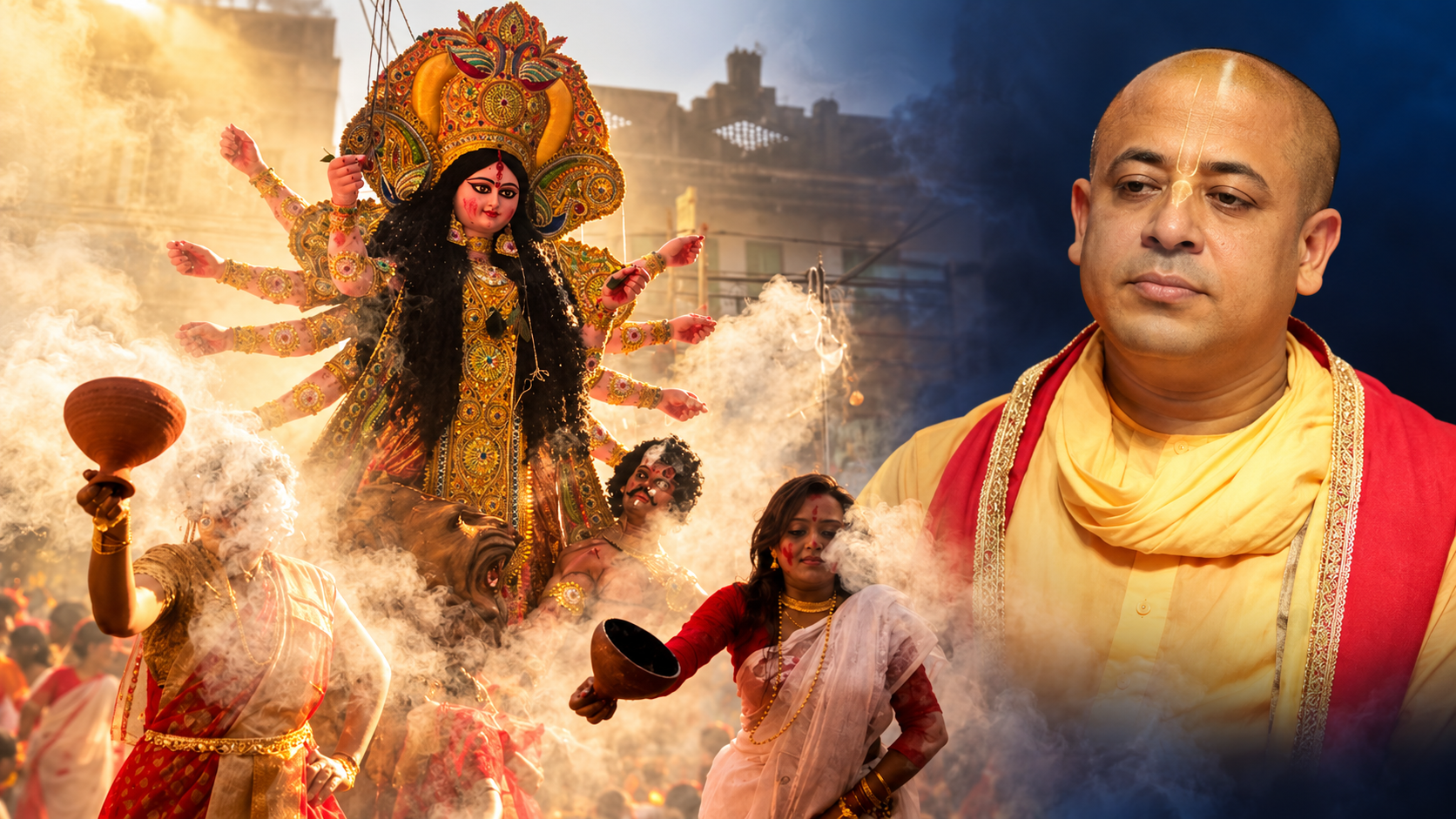
Durga Puja: A Pledge of Harmony, a Question of Security Autumn’s white clouds, swaying kash flowers and the beat of the dhak herald the return…
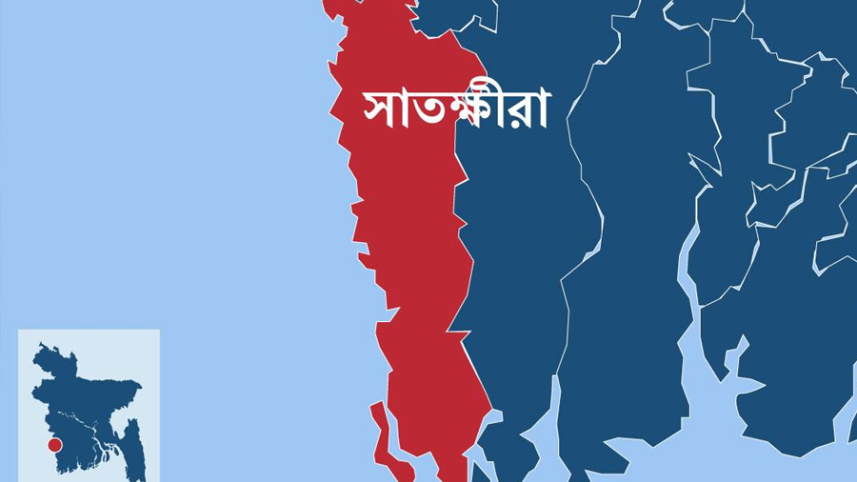
OTN Bangla Desk: A 52-year-old fish farmer was allegedly beaten to death on suspicion of stealing fish from a fish enclosure in Tala upazila of…
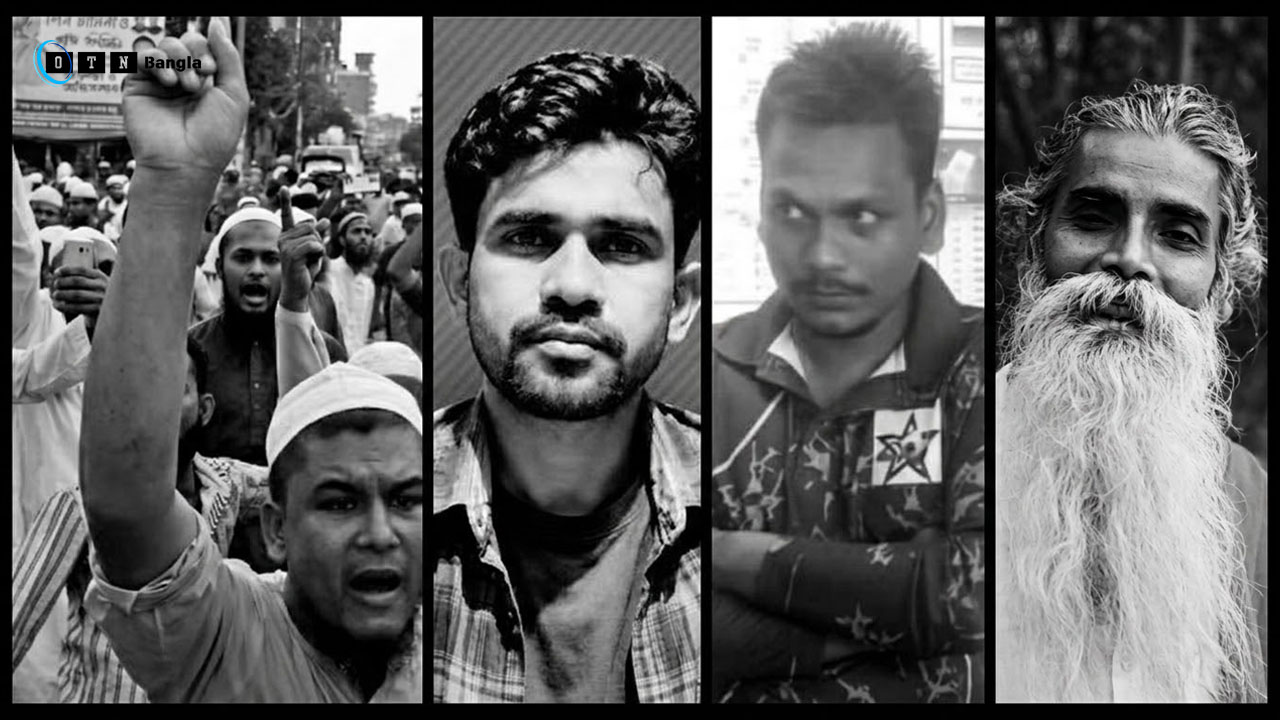
The death of Wahiduzzaman Shamim in Satkhira exposes the danger of mob violence in Bangladesh. According to police, the 30 year old man was beaten…
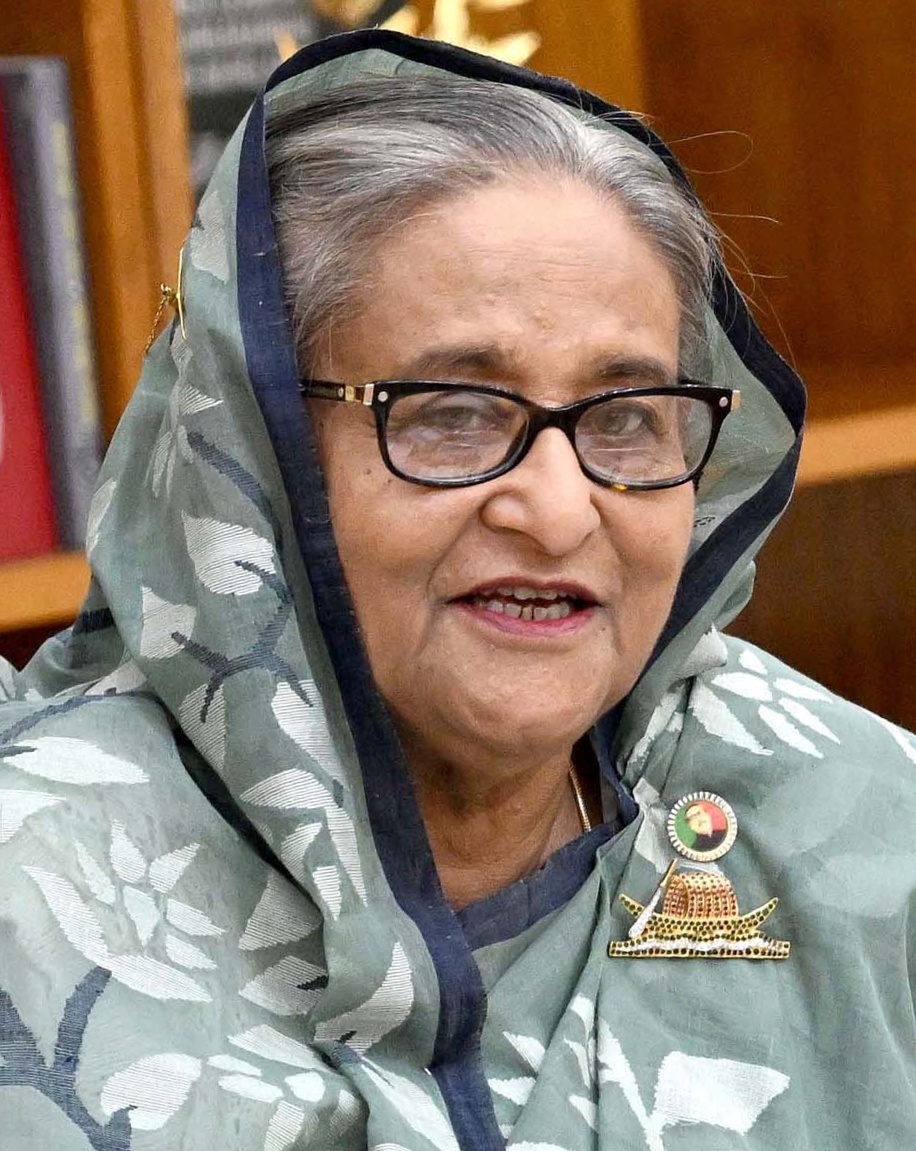
OTN Bangla Desk: Former Bangladesh Prime Minister Sheikh Hasina has criticised Prime Minister Tarique Rahman for declining to attend the BRICS summit in India. In…

I am not an avid reader, but I do go through a book whenever I can make time for it. The last audiobook I finished…
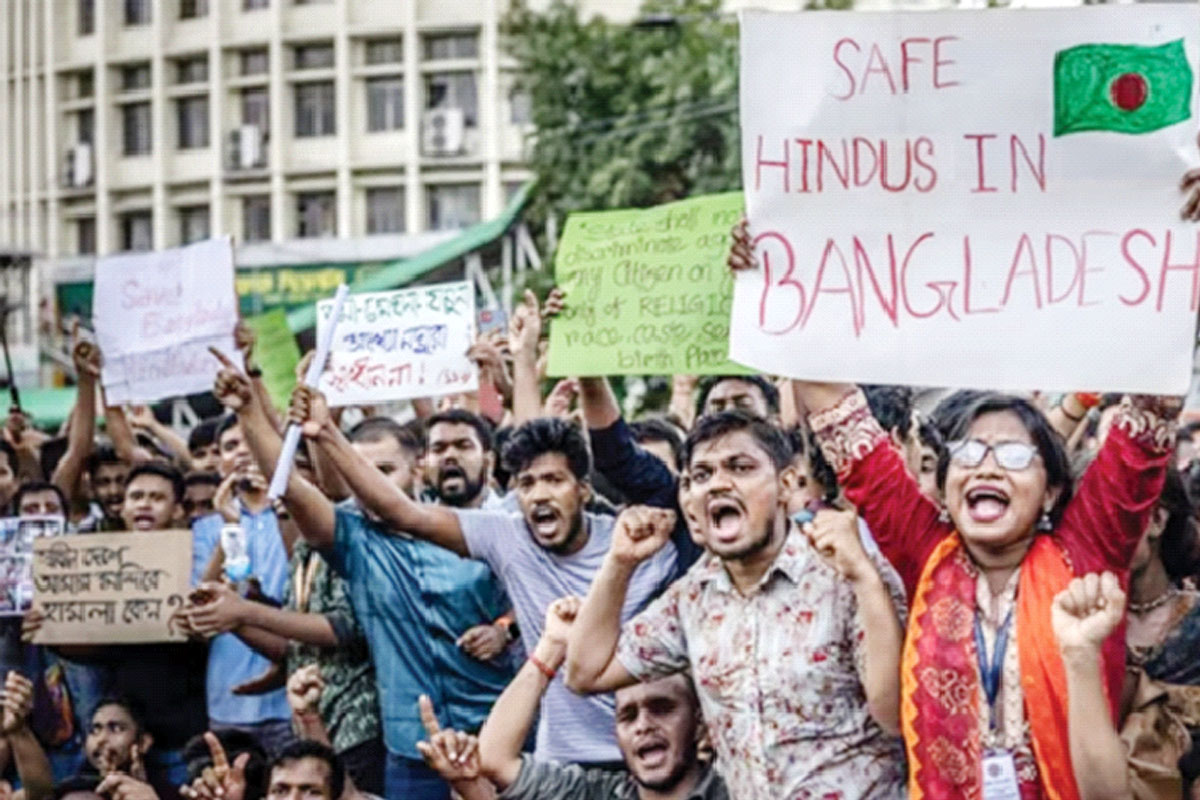
OTN Bangla Desk: Land and property disputes, disappearances, kidnappings, physical assaults, attacks on religious sites, murders and mysterious deaths feature in the July–September 2026 quarterly…
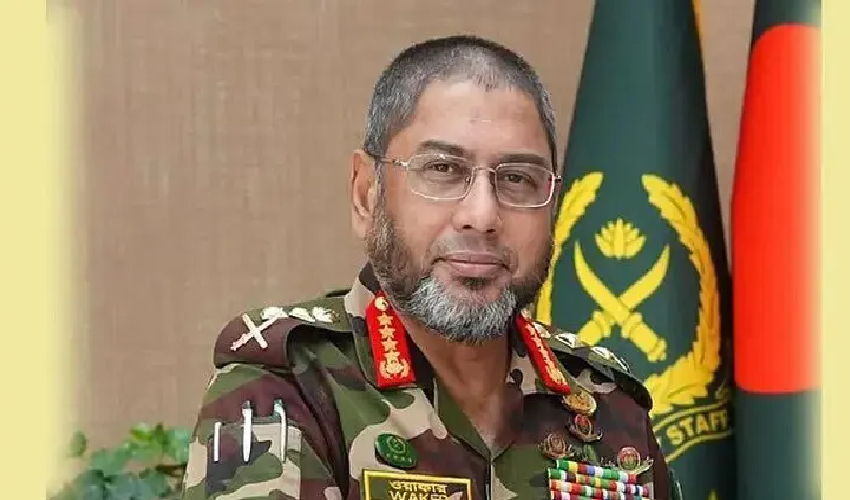
Reports about General Waker-Uz-Zaman’s future have fuelled speculation, while ISPR has warned against misleading information. No confirmed government announcement of his removal has been cited….
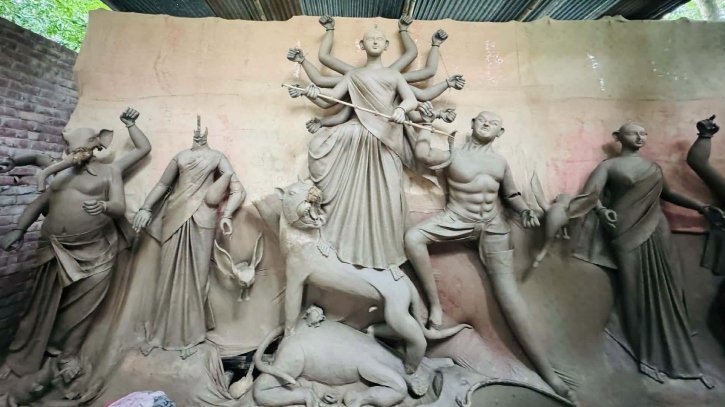
A Festival Overshadowed by Fear As Bangladesh’s Hindu community prepares for Durga Puja, reports of idol vandalism in several parts of the country have cast…




All Rights Reserved by © OTN Bangla.com.au - 2026 | Privacy Policy | Terms of Use | Editorial Policy | Proudly Developed by @SSB it.au