Durga Puja: A Pledge of Harmony, a Question of Security
Durga Puja: A Pledge of Harmony, a Question of Security Autumn’s white clouds, swaying kash flowers and the beat of the dhak herald the return…


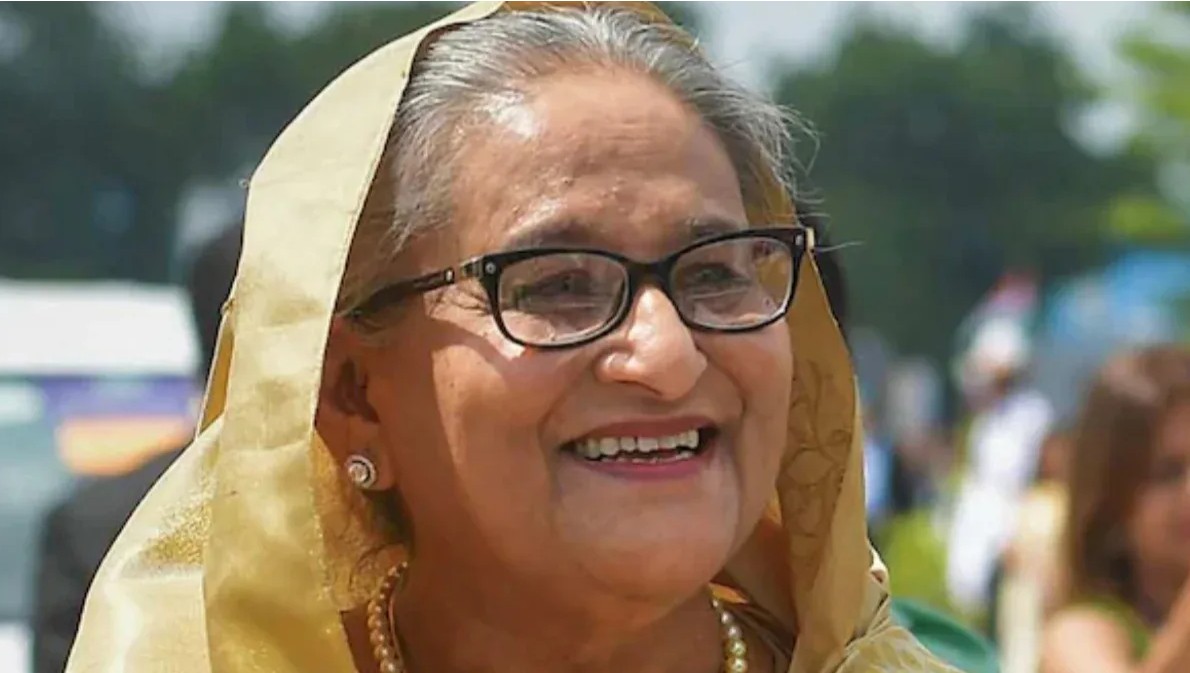
Melbourne, 16 November 2025: Bangladesh awoke on Sunday to an uneasy calm. Streets that normally hum with traffic and conversation felt unusually still, as if the entire nation was holding its breath. Many stores opened later than usu
al, buses moved through the city cautiously, and large numbers of people chose to remain inside their homes. The quiet reflected a deeper anxiety spreading across the country as the International Crimes Tribunal (ICT) prepares to deliver its verdict against former Prime Minister Sheikh Hasina.
The case stems from the student-led protests that erupted between July and August 2024, when thousands of young people marched demanding sweeping political reforms. Violent clashes followed, leaving the country rattled. Sheikh Hasina has repeatedly denied allegations of crimes against humanity linked to those events. Still, with the judgment expected at any time, national tension is steadily rising.
Authorities have significantly tightened security ahead of the announcement. Police patrols throughout Dhaka have intensified, checkpoints have been set up on key roads, and public gatherings are under close surveillance. Despite these measures, residents reported hearing firecracker-like explosions in parts of the capital on Saturday night, adding to the sense of unease.
Meanwhile, the Awami League – the party once led by Hasina – has declared a two-day nationwide shutdown to protest the proceedings. With the interim government suspending all political activities of the party and its affiliates, Awami League leaders are now issuing statements through social media from undisclosed locations. Their online presence has grown more active as the verdict nears.
Business leaders say the growing uncertainty is damaging an economy already facing significant challenges. Among them is Quazi Moniruzzaman, former president of the Bangladesh Garments Manufacturers and Exporters Association (BGMEA), who described the situation as deeply unsettling.
“This is a difficult time for everyone. People are frightened. What we want most are peaceful elections where every citizen can vote freely,” he said. “Right now, the business environment, the social environment, even the state of law and order – all of it is in poor condition.”
A veteran of the 1971 Liberation War, Moniruzzaman spoke about the fear ordinary citizens are experiencing. He hopes that the national elections scheduled for 2026 will provide an opportunity for stability and renewal.
“We want good relations with our neighbours, we want political stability, and we want to protect our sovereignty,” he said. “This region needs calm – and Bangladesh especially needs hope.”
He also underscored the importance of Bangladesh’s long-standing relationship with India.
“India stood by us in 1971. I trained there as a freedom fighter. We should maintain strong ties with India, while also preserving our own national identity. India is our closest neighbour, and we trust it will respect the aspirations of the Bangladeshi people.”
Moniruzzaman voiced particular concern for the garment industry, the backbone of Bangladesh’s export economy. Millions of workers – many of them women – depend on it for their livelihoods.
“We take pride in this industry,” he said. “But international buyers will lose confidence if the situation grows unstable. This sector brings in the majority of our foreign currency. If it is damaged, the entire nation will suffer.”
He added a broader message about unity: “I don’t believe in calling people minority or majority. We are all Bangladeshi- that identity should be enough.”


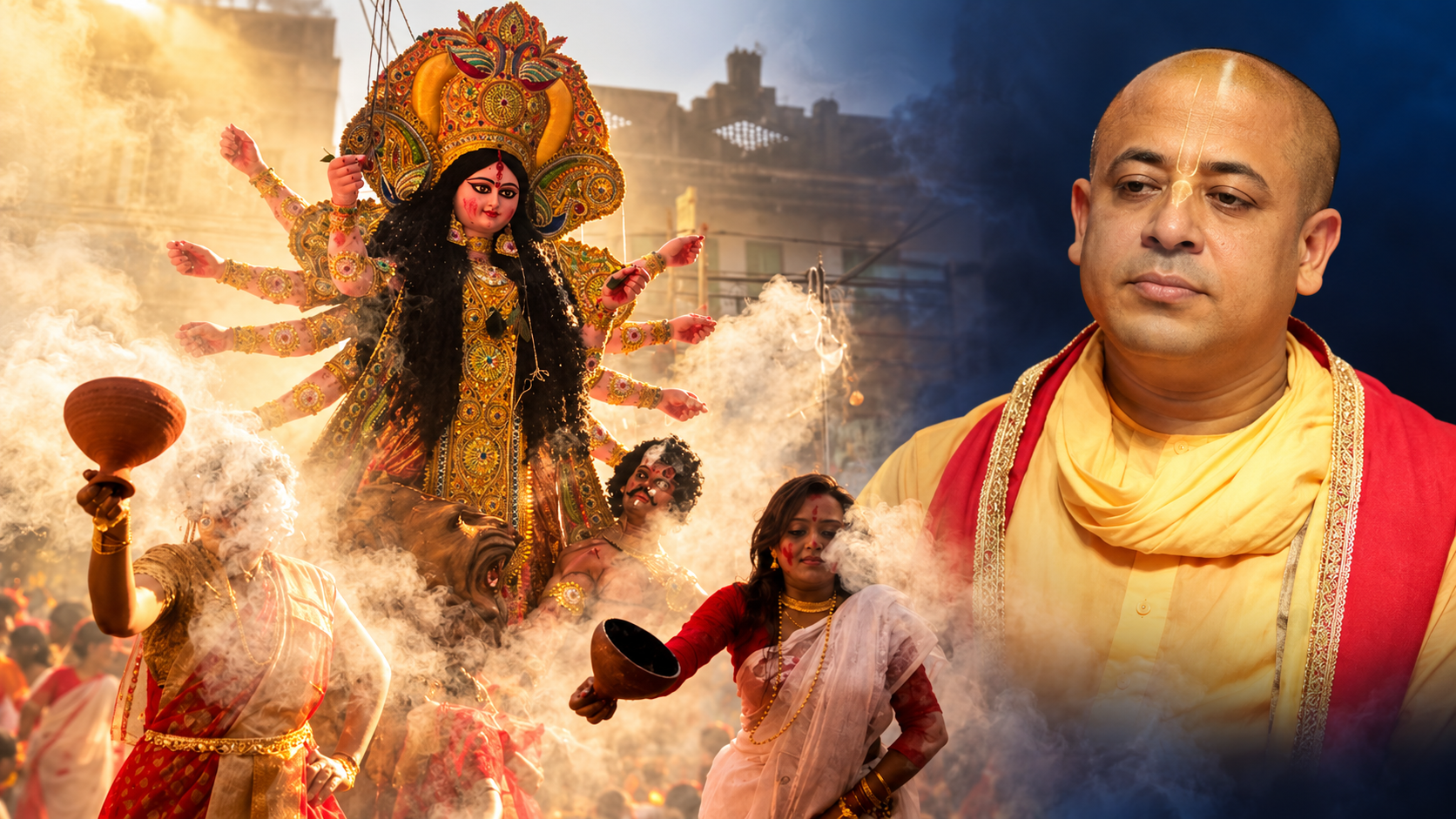
Durga Puja: A Pledge of Harmony, a Question of Security Autumn’s white clouds, swaying kash flowers and the beat of the dhak herald the return…
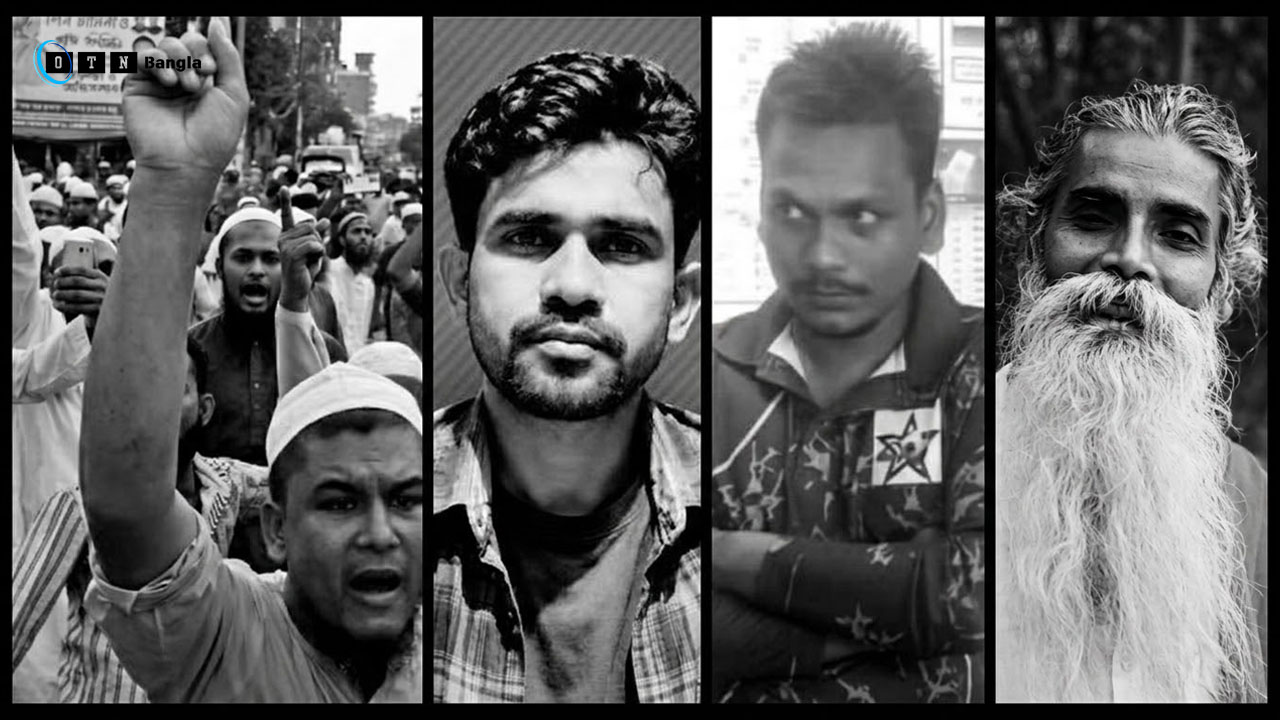
OTN Bangla Desk: A 52-year-old fish farmer was allegedly beaten to death on suspicion of stealing fish from a fish enclosure in Tala upazila of…
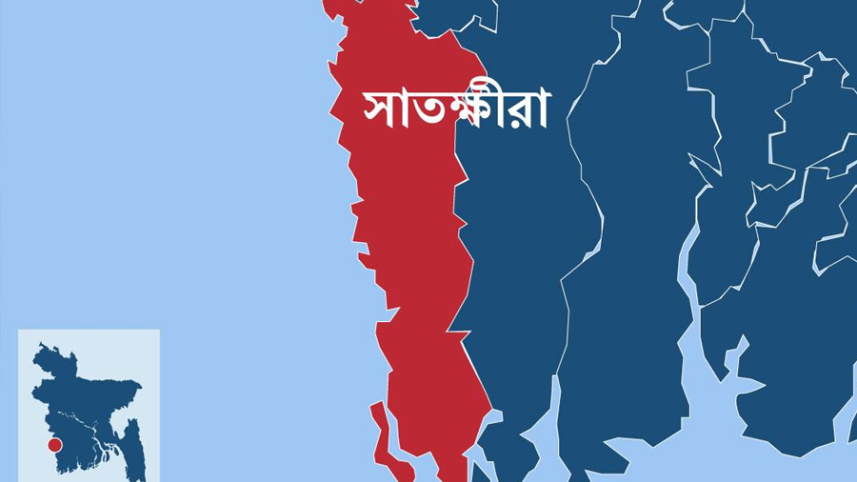
The death of Wahiduzzaman Shamim in Satkhira exposes the danger of mob violence in Bangladesh. According to police, the 30 year old man was beaten…
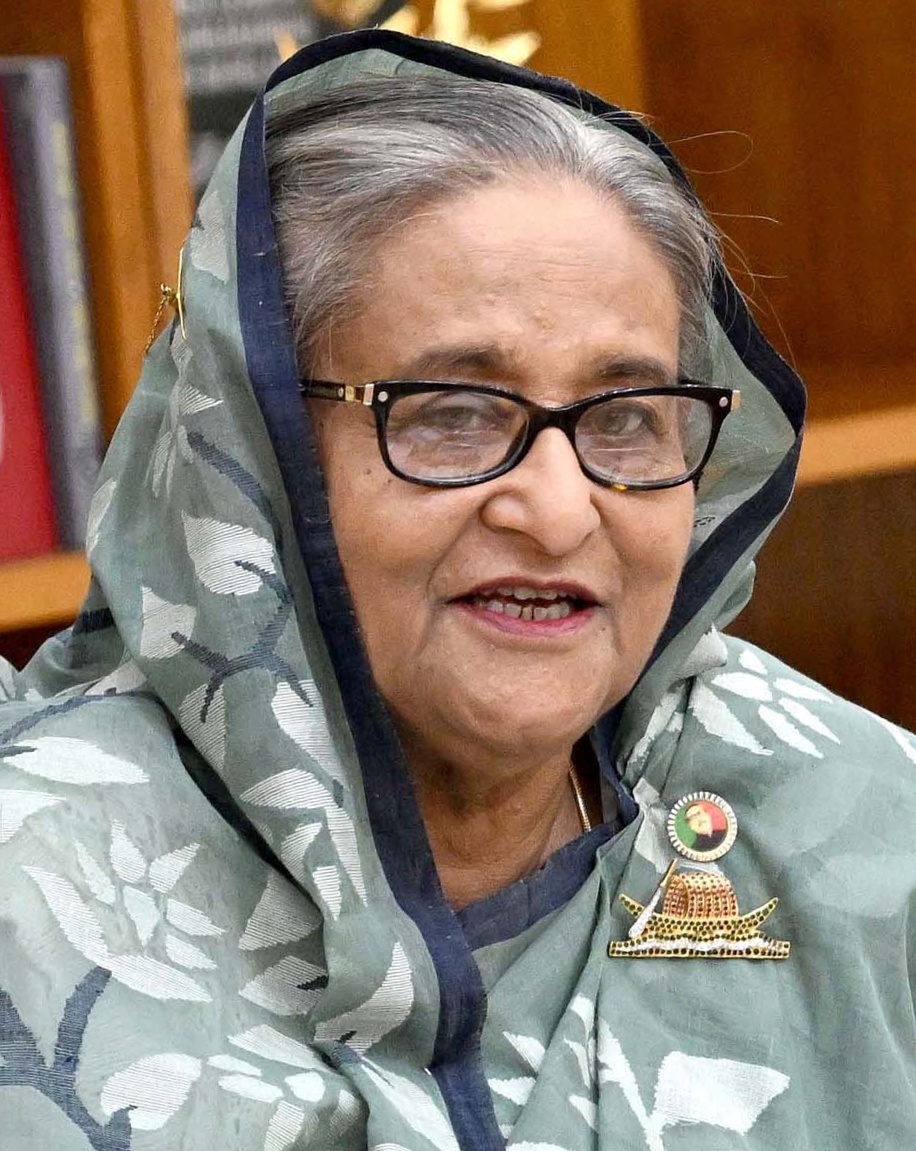
OTN Bangla Desk: Former Bangladesh Prime Minister Sheikh Hasina has criticised Prime Minister Tarique Rahman for declining to attend the BRICS summit in India. In…

I am not an avid reader, but I do go through a book whenever I can make time for it. The last audiobook I finished…
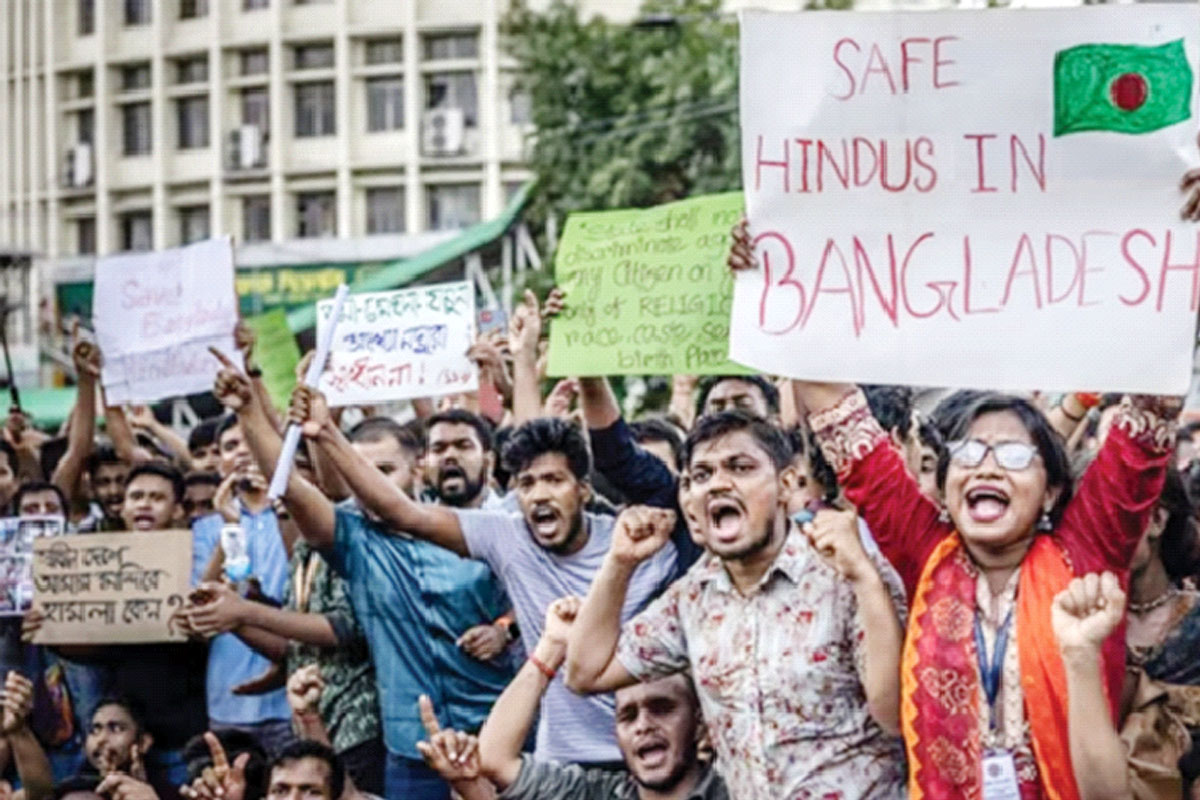
OTN Bangla Desk: Land and property disputes, disappearances, kidnappings, physical assaults, attacks on religious sites, murders and mysterious deaths feature in the July–September 2026 quarterly…
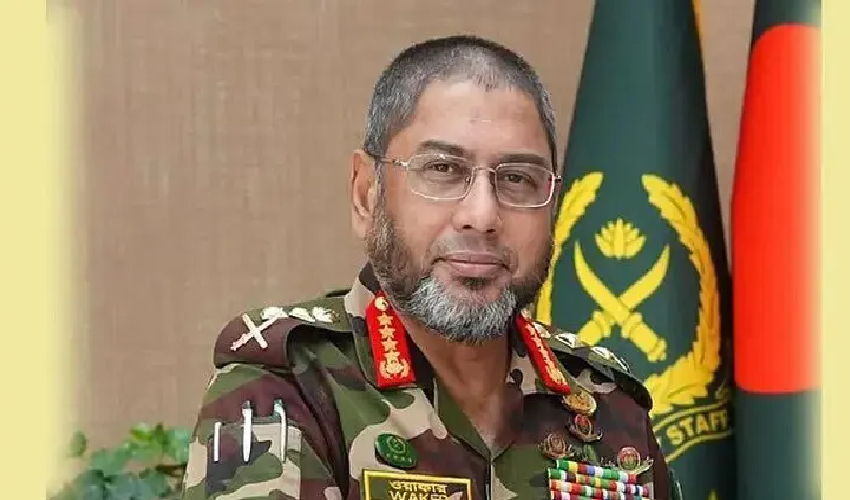
Reports about General Waker-Uz-Zaman’s future have fuelled speculation, while ISPR has warned against misleading information. No confirmed government announcement of his removal has been cited….
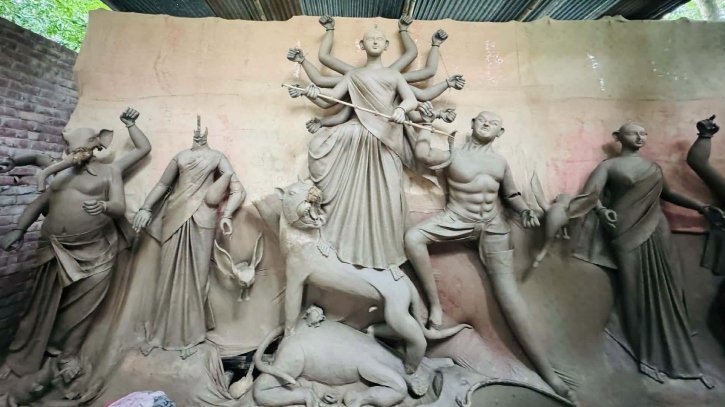
A Festival Overshadowed by Fear As Bangladesh’s Hindu community prepares for Durga Puja, reports of idol vandalism in several parts of the country have cast…




All Rights Reserved by © OTN Bangla.com.au - 2026 | Privacy Policy | Terms of Use | Editorial Policy | Proudly Developed by @SSB it.au