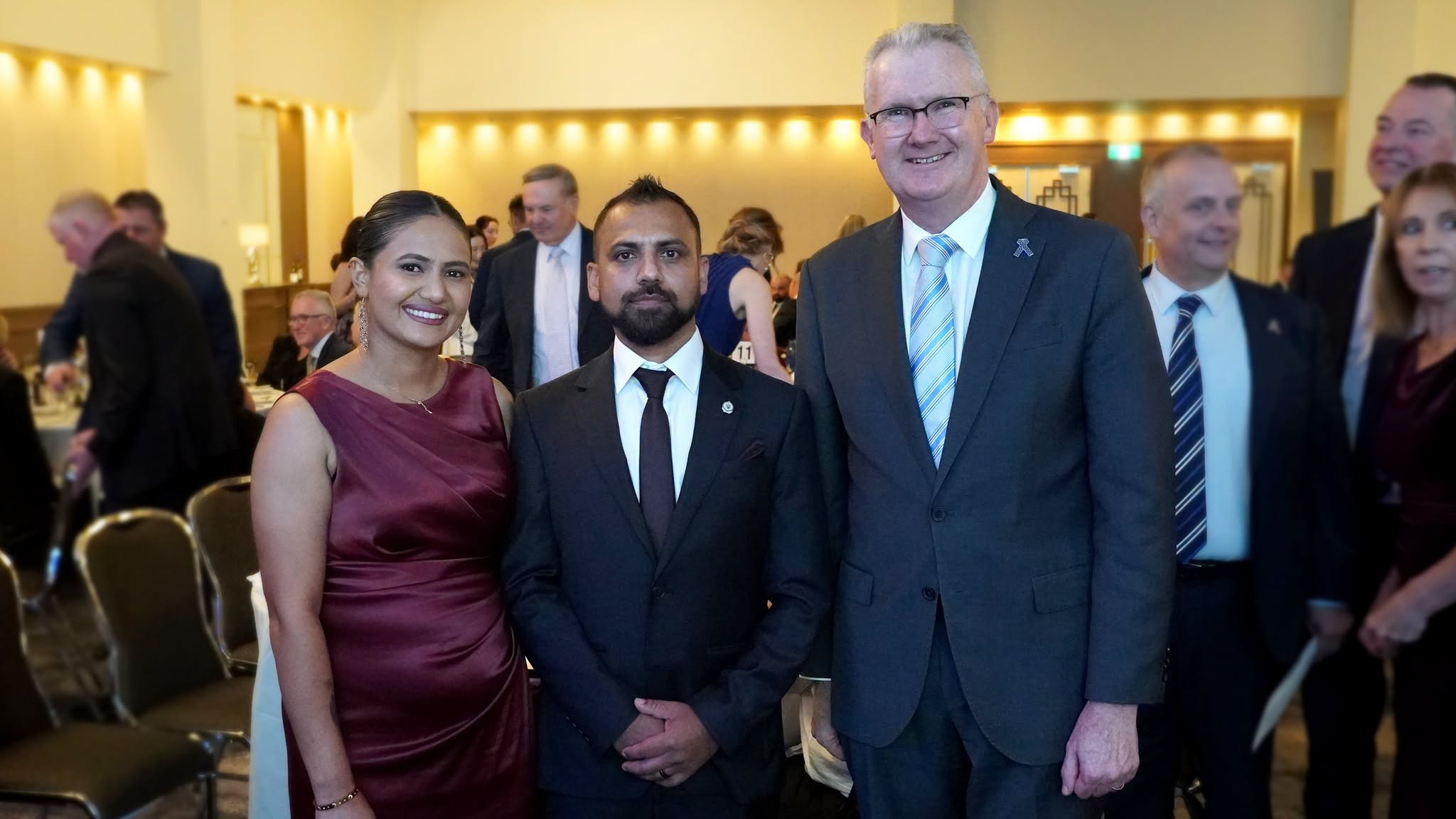
Opinion By Parvez Hashem. Picture: OTN Bangla
The execution of two Bangladeshi nationals in Saudi Arabia on October 14, 2026, raises important questions about the right to life, the fairness of criminal justice, and the responsibility of a government to protect its citizens abroad.
The two individuals, identified by Saudi authorities as Nazrul Islam Abdul Basir and Siti Akhtar, were executed in the Makkah region after being convicted of what authorities described as an “immoral act” inside a mosque. They were sentenced to death under ta’zir, a form of discretionary punishment under Islamic law. Saudi authorities said the verdicts had been upheld and a royal order had authorized the executions. However, the official statement did not disclose the precise nature of the alleged act or provide details of the trial. .
The sanctity of a religious place deserves respect. Any alleged misconduct should be investigated under the law. But a fundamental question remains: can an alleged violation of religious or moral standards justify taking a human life?
The Right to Life Must Come First
The right to life is a fundamental human right recognized under Article 3 of the Universal Declaration of Human Rights. Article 6 of the International Covenant on Civil and Political Rights also protects the right to life and places strict limits on the use of the death penalty in countries that retain it.
Saudi Arabia’s use of capital punishment raises serious human rights concerns, particularly when the alleged offense, the evidence, and the judicial reasoning are not publicly explained in sufficient detail.
A criminal justice system must distinguish between conduct that society considers offensive and crimes that can legitimately warrant severe punishment. Even when an individual has violated the law, punishment must be proportionate and consistent with fundamental human rights.
Taking a person’s life is irreversible. If a conviction is based on flawed evidence, an unfair proceeding, or a mistaken interpretation of events, execution leaves no opportunity to correct the injustice.
Modern criminal justice should protect society while respecting human dignity. It should seek accountability without abandoning humanity. The death penalty is incompatible with the principle that every person retains their inherent dignity, even after being convicted of a crime.
Where Is the Guarantee of a Fair Trial?
The reported executions of Nazrul Islam Abdul Basir and Siti Akhtar raise serious questions about due process. Publicly available reports provide limited information about the evidence, legal representation, defense rights, and appeals available to the accused.
Were they fully informed of the charges? Could they challenge the evidence, defend themselves, and appeal their sentences effectively? A conviction alone does not answer these questions. Every accused person deserves a fair trial, regardless of the allegations against them.
Bangladesh Failed to Protect Its Citizens Abroad
The Bangladesh Consulate General in Jeddah reportedly received no advance notification of the executions and later sought case records through a diplomatic note.
Article 36 of the Vienna Convention on Consular Relations (1963) establishes rights concerning consular communication and access to detained foreign nationals. Bangladesh should investigate whether its citizens received appropriate consular assistance and whether any opportunity existed to intervene before their executions.
A diplomatic protest after an execution cannot save a life. Bangladesh must demand answers, establish the facts, and strengthen its efforts to protect citizens facing the death penalty abroad.
Convictions for Foreigners, but No Justice for Expatriate Victims in Saudi Arabia
Hundreds of foreigners including domestic workers have reportedly suffered torture, sexual violence, and even murder in Saudi Arabia. Foreign workers continue to face abuse and exploitation, while access to justice for victims remains a serious concern. Meanwhile, foreign nationals convicted of crimes face severe penalties, including the death penalty. Concerns have also been raised about the fairness, transparency, and due process of criminal trials.
This raises a fundamental question: Why is justice so difficult to obtain for expatriates who suffer abuse, while foreign nationals accused of crimes face severe punishment, including execution?
Justice Without Humanity Is Not Justice
Saudi Arabia’s authority to enforce its laws does not excuse the denial of fundamental human rights. Respect for religion must never come at the cost of human dignity and the right to life.
The executions of Nazrul Islam Abdul Basir and Siti Akhtar raise serious questions about fair trial guarantees, the right to self-defense, and the proportionality of punishment. Bangladesh must demand answers and investigate why its diplomatic mission was reportedly not notified before the executions.
Bangladesh’s authorities must answer an important question: Did they fail to protect their citizens’ lives and help ensure justice for them?
Justice without humanity is not justice. Human life must never become the price of enforcing the law.
Parvez Hashem, Lawyer and Human Rights Defender