Durga Puja: A Pledge of Harmony, a Question of Security
Durga Puja: A Pledge of Harmony, a Question of Security Autumn’s white clouds, swaying kash flowers and the beat of the dhak herald the return…


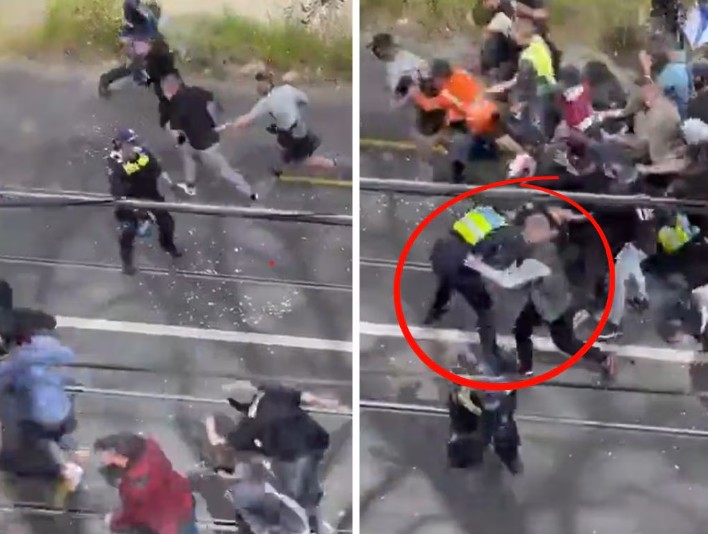
MELBOURNE, May 30: A 30-second video that shocked Melbourne during the height of Victoria’s COVID-19 lockdowns has returned to the spotlight, revealing new judicial findings about a violent confrontation between protesters and police during an anti-lockdown rally in September 2021.
The footage, widely circulated after the incident, showed police officers being tackled, punched, and trampled as a crowd of around 300 protesters broke through police lines in Melbourne’s inner suburbs of Richmond and Kew.
More than five years later, the Victorian County Court has heard detailed evidence about what unfolded that day, culminating in a sentencing decision involving protester Brendon MacIsaac, now 63, who was convicted of assaulting an on-duty emergency worker.
On September 18, 2021, Victoria recorded 1,438 new COVID-19 cases as the state remained under strict lockdown restrictions. On the same day, authorities recorded 235 arrests and 193 fines for breaches of public health orders, while five police officers were hospitalised following clashes with protesters.
That afternoon, hundreds of demonstrators marched in defiance of lockdown rules, moving from Richmond toward Kew, where police attempted to block their advance.
Court proceedings heard that police formed a single line across Barkers Road near an old railway cutting in Kew in an effort to stop the march.
With only limited officers available, police attempted to contain the growing crowd using de-escalation tactics, including visible baton positioning and verbal commands.
However, video evidence shown in court confirmed that the situation quickly escalated as protesters surged forward, breaking through the police line.
Footage from the scene shows officers using pepper spray and batons as the crowd pushed through. One female officer was reportedly shoved to the ground and trampled during the chaos.
Judge Marcus Dempsey outlined the prosecution’s case in detail, describing how MacIsaac ended up at the front of the protest group as it reached the police barricade.
According to the judge, MacIsaac charged at a constable, grabbed hold of his baton, and refused to release it, causing the officer to lose balance and fall.
“He charged at him with his shoulder and grabbed hold of his baton,” Judge Dempsey said. “He would not let go.”
The court heard that MacIsaac then punched the officer in the face after the initial scuffle, causing him to fall again. The officer was later trampled by others in the crowd before being dragged to safety and taken to Epworth Hospital with minor injuries.
The judge said the officer had been clearly identifiable, on duty, and attempting to de-escalate the situation.
Police later identified MacIsaac using body-worn camera footage and arrested him shortly after the incident.
During questioning, he denied recognising himself in the footage, prompting Judge Dempsey to criticise his explanation.
“You thought you would be coy or clever and professed not to recognise the individual who was so clearly you,” the judge said.
“You went as far as to tell police that you must have a doppelganger.”
The court described his police interview as “fatuous”.
While condemning the assault, Judge Dempsey noted that MacIsaac appeared to have been influenced by the group dynamics of the protest.
He said the defendant “acted out of character” after finding himself in a volatile environment shaped by collective anger over lockdown measures.
“It seems implicit in your attendance at the protest that you had a distrust or scepticism about the government’s handling of the pandemic,” the judge said.
However, he emphasised that such views did not justify violence against police officers carrying out lawful duties.
MacIsaac was sentenced to a 12-month good behaviour bond and released with a conviction recorded.
The injured officer declined to provide a victim impact statement to the court.
The Police Association of Victoria has been approached for comment.
The case revisits one of the most volatile episodes of Victoria’s pandemic-era lockdown protests, a period marked by widespread civil unrest, mass arrests, and repeated clashes between demonstrators and police.
The newly examined footage and sentencing remarks have renewed discussion about the intensity of those protests and the pressures faced by frontline officers during the pandemic response.


Durga Puja: A Pledge of Harmony, a Question of Security Autumn’s white clouds, swaying kash flowers and the beat of the dhak herald the return…
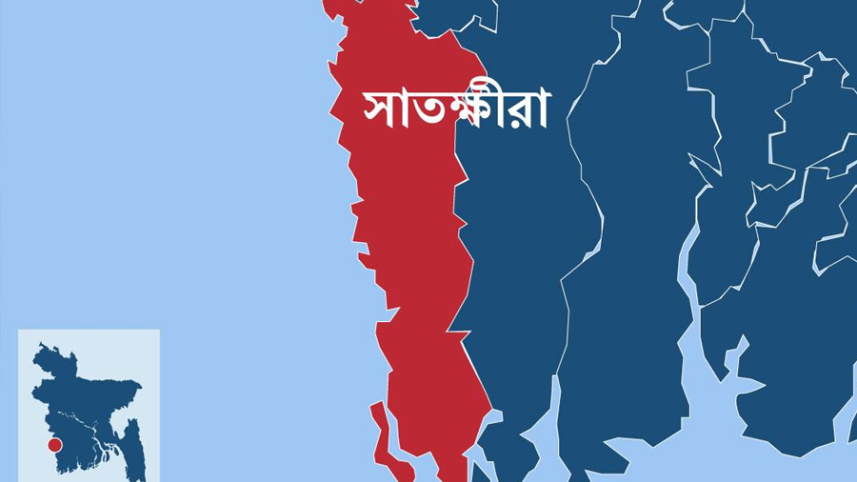
OTN Bangla Desk: A 52-year-old fish farmer was allegedly beaten to death on suspicion of stealing fish from a fish enclosure in Tala upazila of…
The death of Wahiduzzaman Shamim in Satkhira exposes the danger of mob violence in Bangladesh. According to police, the 30 year old man was beaten…
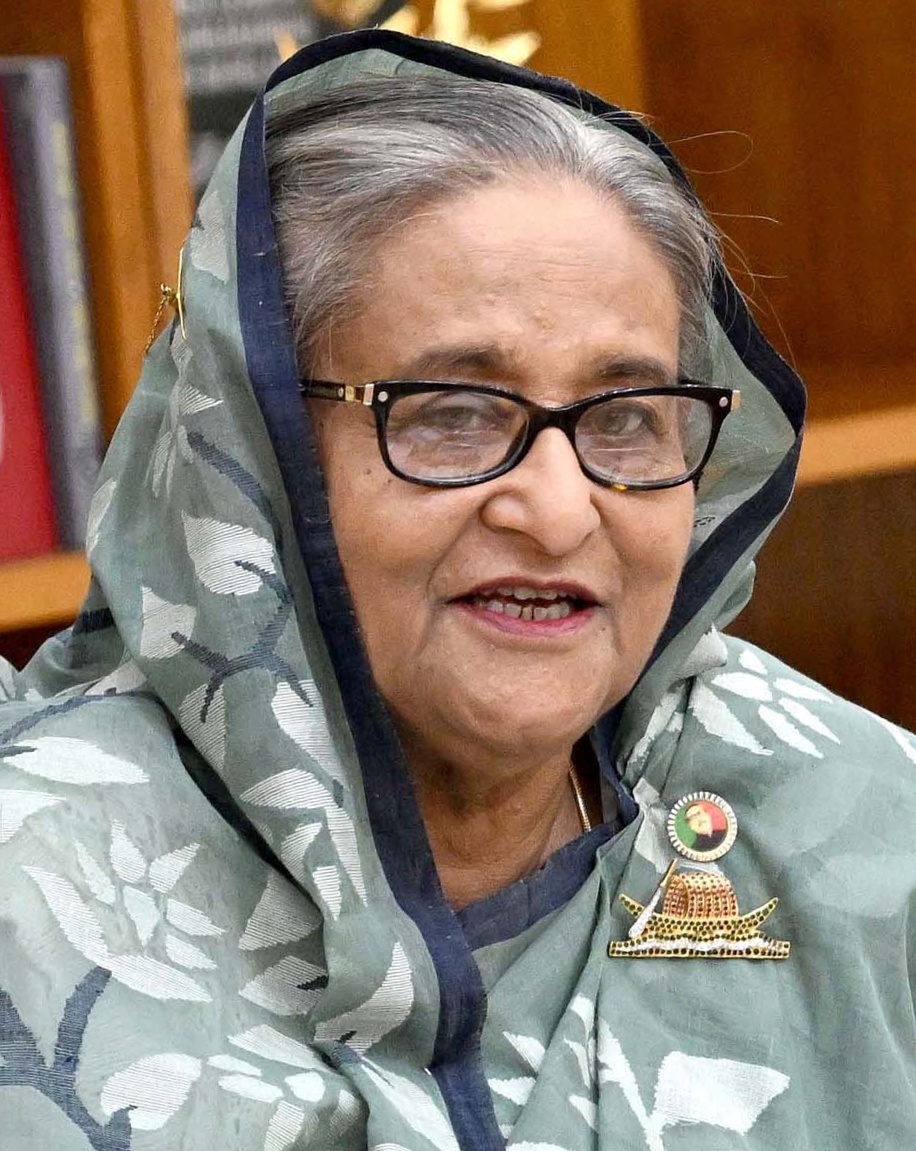
OTN Bangla Desk: Former Bangladesh Prime Minister Sheikh Hasina has criticised Prime Minister Tarique Rahman for declining to attend the BRICS summit in India. In…

I am not an avid reader, but I do go through a book whenever I can make time for it. The last audiobook I finished…
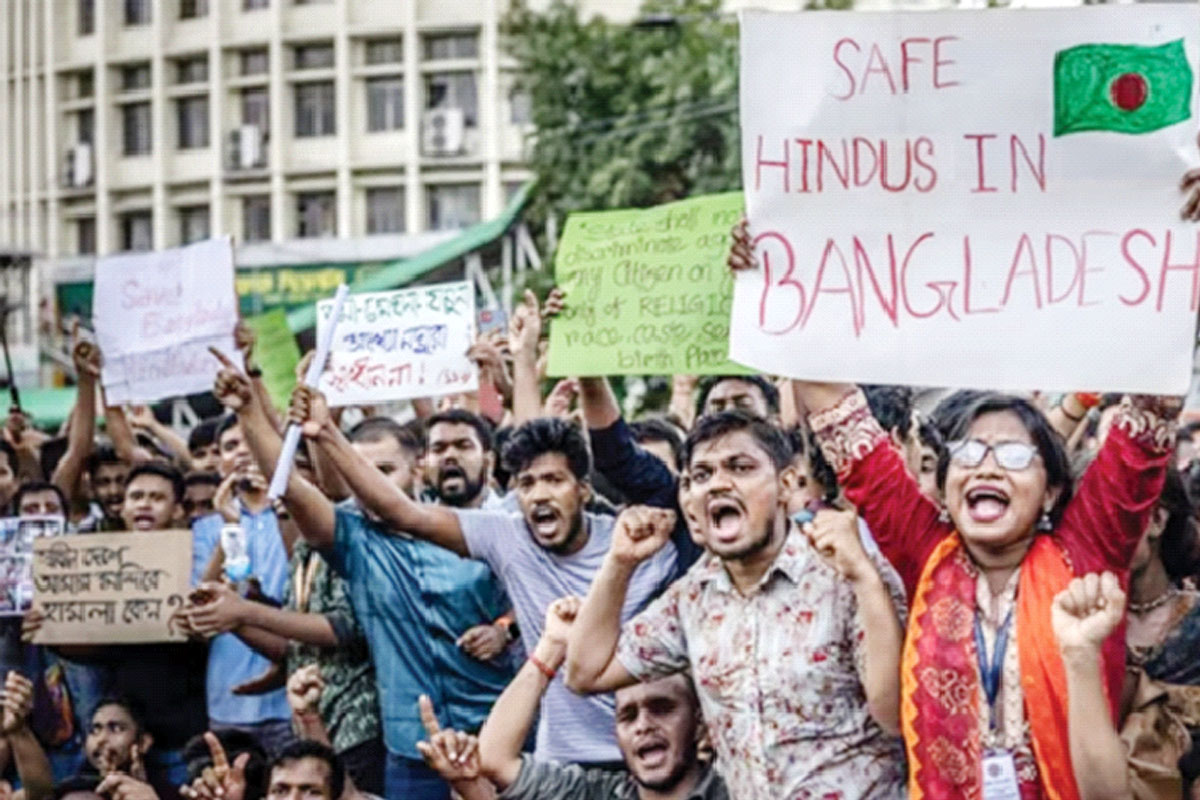
OTN Bangla Desk: Land and property disputes, disappearances, kidnappings, physical assaults, attacks on religious sites, murders and mysterious deaths feature in the July–September 2026 quarterly…
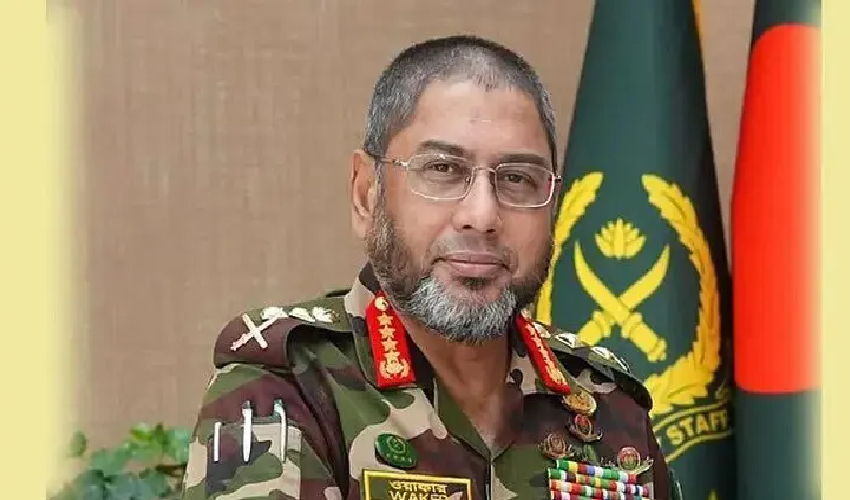
Reports about General Waker-Uz-Zaman’s future have fuelled speculation, while ISPR has warned against misleading information. No confirmed government announcement of his removal has been cited….
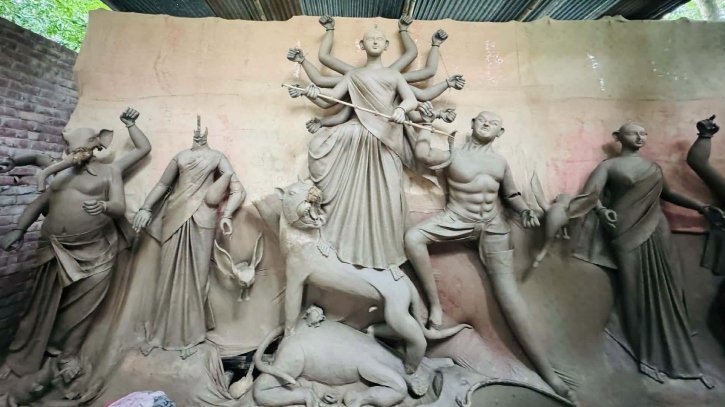
A Festival Overshadowed by Fear As Bangladesh’s Hindu community prepares for Durga Puja, reports of idol vandalism in several parts of the country have cast…




All Rights Reserved by © OTN Bangla.com.au - 2026 | Privacy Policy | Terms of Use | Editorial Policy | Proudly Developed by @SSB it.au