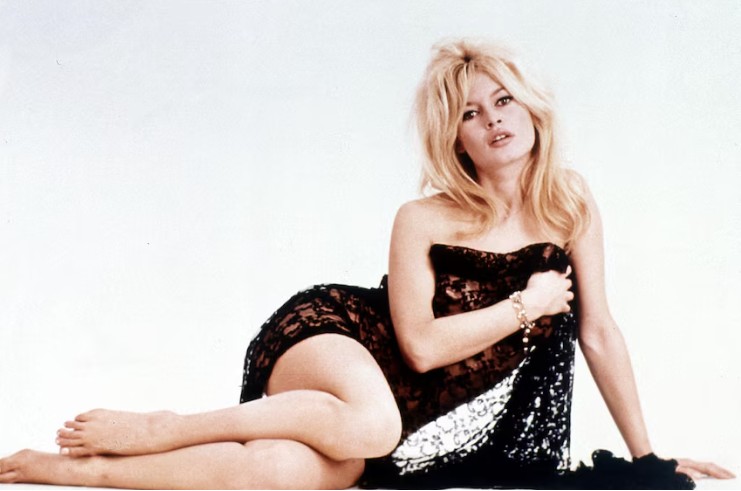
Brigitte Bardot, the iconic French actress who reshaped 1950s cinema and became a global symbol of sexual liberation, has died at the age of 91. Photo: collected
Melbourne, 29 December: French film icon Brigitte Bardot, who transformed 1950s and 1960s cinema and became a global symbol of sexual liberation, has died at the age of 91.
Known simply as “BB” in France, Bardot starred in nearly 50 films and rose to international fame with her role in the 1956 classic And God Created Woman. The film, directed by her then husband Roger Vadim, shocked audiences in the United States, was banned in several states, and made Bardot a cultural phenomenon. French philosopher Simone de Beauvoir famously described her as a symbol of “absolute freedom.”
French President Emmanuel Macron paid tribute to Bardot, calling her “a legend of the century.” In a statement, he said her films, her voice, her beauty and her passionate defence of animals made her an enduring symbol of freedom and French cultural brilliance.
The Brigitte Bardot Foundation, which she founded, announced her death with “immense sadness,” describing her as a “world-renowned actress and singer who chose to abandon her prestigious career to devote her life and energy to animal welfare.” The foundation did not specify where or when she died.
Bardot retired from acting in 1973, at the height of her fame, to focus on protecting animals. Over the decades, she became one of the world’s most prominent animal rights activists, campaigning fiercely against fur farming, animal cruelty, and the slaughter of animals.
However, her later life was also marked by controversy. Bardot was fined several times in France for inciting racial hatred and for making homophobic and xenophobic remarks, which damaged her public image and overshadowed parts of her legacy.
Born Brigitte Anne-Marie Bardot in Paris in 1934, she was raised in a wealthy family that initially hoped she would become a ballerina. Her life changed when she appeared on the cover of Elle magazine as a teenager, which led to her discovery by the film industry and a rapid rise to stardom.
Bardot was married four times. Her husband since 1992 was Bernard d’Ormale, a former adviser to the late far-right politician Jean-Marie Le Pen, the father of Marine Le Pen.
Despite the controversies, Bardot remains one of the most recognisable figures in French cinema history. With her striking looks, rebellious spirit and iconic screen presence, she redefined femininity and left a lasting mark on global popular culture.
Her death marks the end of an era for French cinema and for a generation that saw her as both a star and a symbol of freedom.