Could Australia Be Drawn Into the US–Iran Conflict?
Melbourne, 9 March: As tensions escalate in the growing conflict between the United States, Israel and Iran, questions are emerging about whether Australia could become…





Melbourne, 8 March: Australian media outlet ABC, in its analysis titled “Women’s Asian Cup 2026: Plucky Bangladesh teases much-needed jeopardy,” noted that Bangladesh has injected a sense of excitement into the 2026 Women’s Asian Cup through its brave performances. Although the results have not gone in Bangladesh’s favour against stronger opponents, the team’s fighting spirit has drawn attention on the international football stage.
Despite suffering a 5–0 defeat to Asian powerhouse North Korea, Bangladesh impressed many observers with its resistance and courage in the first half. The early stages of the match created a sense of drama rarely seen in this tournament and hinted at the possibility of a major upset. Facing a team ranked far higher in the FIFA rankings, Bangladesh held firm and managed to keep the game scoreless for a significant period.
After two matches, Bangladesh’s goal difference stands at minus seven, meaning they will need a convincing victory in their final group match against world number 49 Uzbekistan to have any realistic chance of reaching the quarterfinals.
The first 45 minutes of the match unfolded in an unusual way for this tournament. North Korea found the net three times but failed to score, as one effort was ruled out for handball and two others were disallowed for tight offside calls. Nearly ten minutes of video assistant referee (VAR) reviews also contributed to keeping the match goalless. Although North Korea, ranked 103 places above Bangladesh, dominated possession and territory, the moment felt like it belonged to the underdog.
Bangladesh approached the match with a bold tactical plan from the start. The team understood that dominating possession would be difficult, but they had a clear idea of how they might create scoring opportunities. Even during defensive corner situations, Bangladesh left two players near the halfway line, hoping to capitalise on potential counter-attacks.
However, the turning point came through a penalty. North Korean forward Hong Song-ok was brought down by Bangladeshi defender Nabiran Khatun, prompting the referee to award a spot kick. Myong Yu-jong calmly converted the penalty to give North Korea the lead.
Bangladesh will face Uzbekistan in their final group match on 9 March in Perth. After conceding seven goals in their first two games, the path to the quarterfinals appears difficult. However, a victory over Uzbekistan could keep Bangladesh mathematically alive in the race for a quarterfinal place as one of the best third-placed teams.
Although Bangladesh’s chances of victory were virtually gone in the second half, the team did not retreat completely into defence. Instead, they continued to search for attacking opportunities. In the seventh minute of stoppage time, star striker Kim Kyong-yong added another goal, effectively ending Bangladesh’s resistance. Superior in both strength and skill, North Korea eventually secured a 5–0 victory, their biggest win of the tournament so far.
Most matches in this tournament have followed a predictable pattern. Smaller teams typically adopt defensive strategies, while stronger sides attack just enough to secure victory. The current structure of the Asian Cup has also accentuated this gap. With eight of the twelve teams advancing to the quarterfinals, goal difference has become extremely important for smaller nations. Even after losing their first two matches, teams can still qualify for the knockout stage if their goal difference remains manageable and they secure a win in their final group match.
Nevertheless, Bangladesh’s campaign should not be viewed as disappointing. The lowest-ranked team in the tournament has made remarkable progress in recent years. Only a few years ago, Bangladesh had not scored a single goal in Asian Cup qualifying, yet now they are competing in the tournament’s main stage.
The team has also faced internal controversy. In 2025, former captain Sabina Khatun and several national team players accused head coach Peter Butler of inappropriate behaviour, including verbal abuse and mental harassment. The Bangladesh Football Federation launched an investigation and eventually sided with Butler, who remains in charge of the team. Following the dispute, Sabina Khatun and several experienced players were not included in the squad for this tournament.
Bangladesh will face Uzbekistan in their final group match on 9 March in Perth. After conceding seven goals in their first two games, the path to the quarterfinals appears difficult. However, a victory over Uzbekistan could keep Bangladesh mathematically alive in the race for a quarterfinal place as one of the best third-placed teams.
Bangladesh had never previously faced opponents of such high ranking. On 3 March, they played against China, ranked 17th in the world, before taking on another Asian powerhouse in North Korea.
Although Bangladesh has failed to secure a point in two matches against Asia’s top sides, analysts believe the experience of competing against such strong opponents will prove invaluable for the team’s future development.




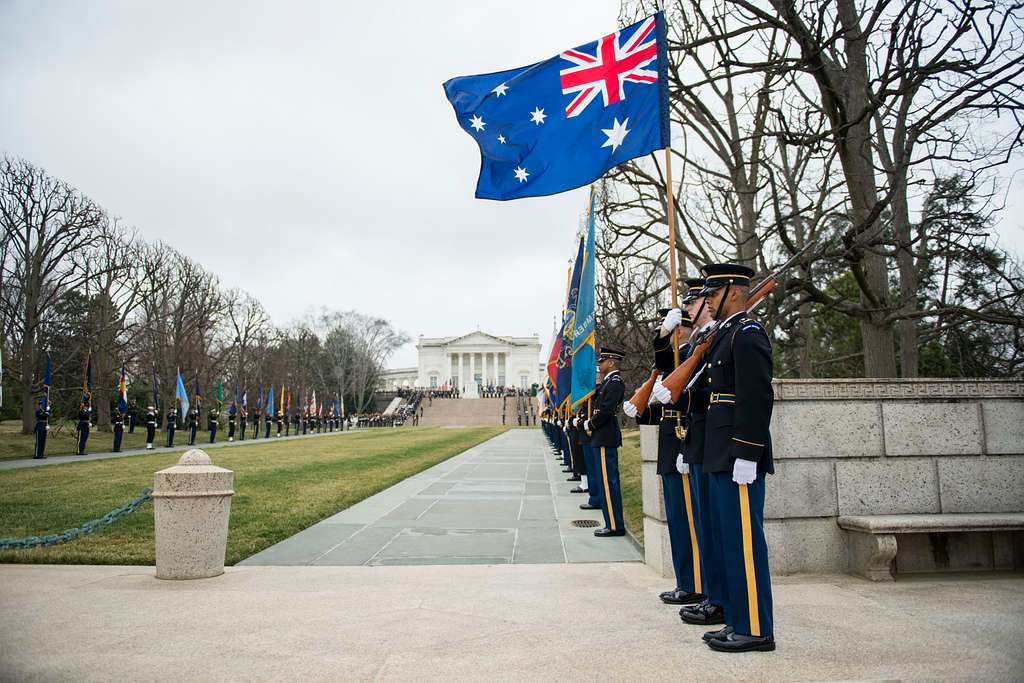
Melbourne, 9 March: As tensions escalate in the growing conflict between the United States, Israel and Iran, questions are emerging about whether Australia could become…

Melbourne, March 9: Finals are usually defined by tension, fierce competition and last-minute drama. But the T20 World Cup final in Ahmedabad told a completely…
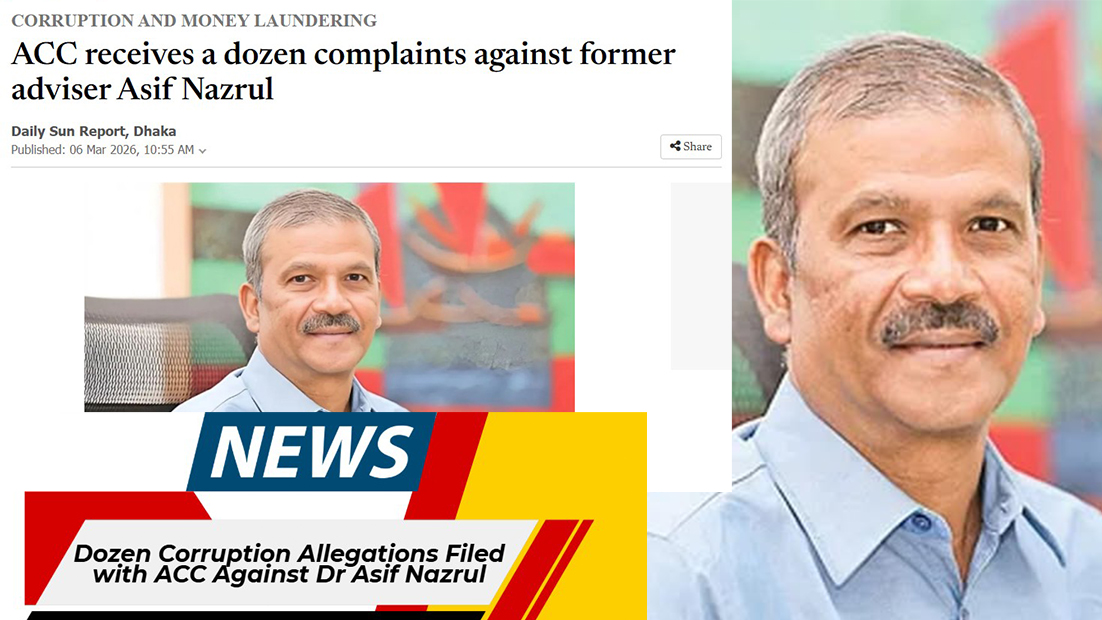
Melbourne, March 9: Bangladesh’s Anti-Corruption Commission (ACC) is reviewing a series of complaints accusing former law adviser Dr Asif Nazrul of corruption, abuse of power,…

Melbourne, 8 March: The second episode of OTN Bangla’s ongoing investigative reporting series has been released today, focusing on allegations of abuse of power and…
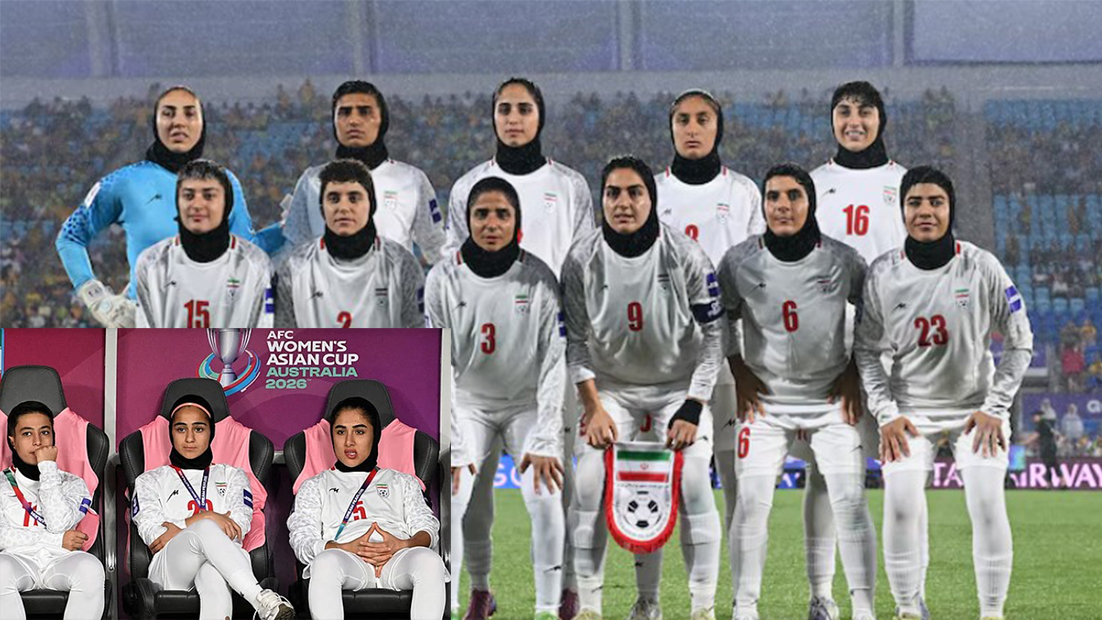
Melbourne, 7 March: The Iranian women’s national football team competing in the AFC Women’s Asian Cup 2026 in Australia has found itself at the centre…

Melbourne, 7 March: Former advisers of Bangladesh’s interim government are increasingly coming under public scrutiny as one corruption allegation after another begins to surface. Those…




All Rights Reserved by © OTN Bangla.com.au - 2026 | Privacy Policy | Terms of Use | Editorial Policy | Proudly Developed by @SSB it.au